Introduction
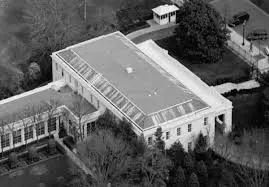
The White House East Wing has long been an integral part of the United States’ presidential residence, serving both functional and symbolic roles. Recently, the significance of this section of the iconic building has gained renewed attention, especially in light of ongoing renovations and its role in hosting public events. As the public becomes more engaged with the inner workings of the White House, understanding the East Wing’s purpose and features is increasingly relevant.
Key Features of the East Wing
The East Wing is home to many important offices and spaces. Among its most notable features are:
- Office of the First Lady: The East Wing houses the office of the First Lady, who often engages in various social causes and initiatives. Melania Trump, for instance, focused on children’s issues during her time, while current First Lady Jill Biden has continued her advocacy for education.
- The East Garden: This serene garden area provides a peaceful escape from the busyness of Washington, D.C., and is occasionally used for both official and social events.
- Visitor Centre: The East Wing allows public access and includes the entrance to the White House Visitor Centre, where guests can learn about the history and significance of the monument.
Recent Events and Renovations
In recent months, there have been discussions surrounding the renovation of the East Wing, which could impact how it functions in the future. The renovations aim to enhance both security and accessibility, ensuring that it continues to serve its purposes while modernising its facilities. Additionally, the East Wing’s role in hosting events has expanded to include more community outreach, reflecting the administration’s commitment to inclusivity.
Conclusion
The White House East Wing is more than just an architectural feature; it is a crucial element of the presidential residence and a reflection of the current administration’s values. As renovations continue and its role evolves, the significance of the East Wing will undoubtedly grow in the public consciousness. For citizens seeking to engage with their government, understanding spaces like the East Wing is essential for appreciating not just the history, but also the ongoing dialogue of how the White House operates today.
