Introduction
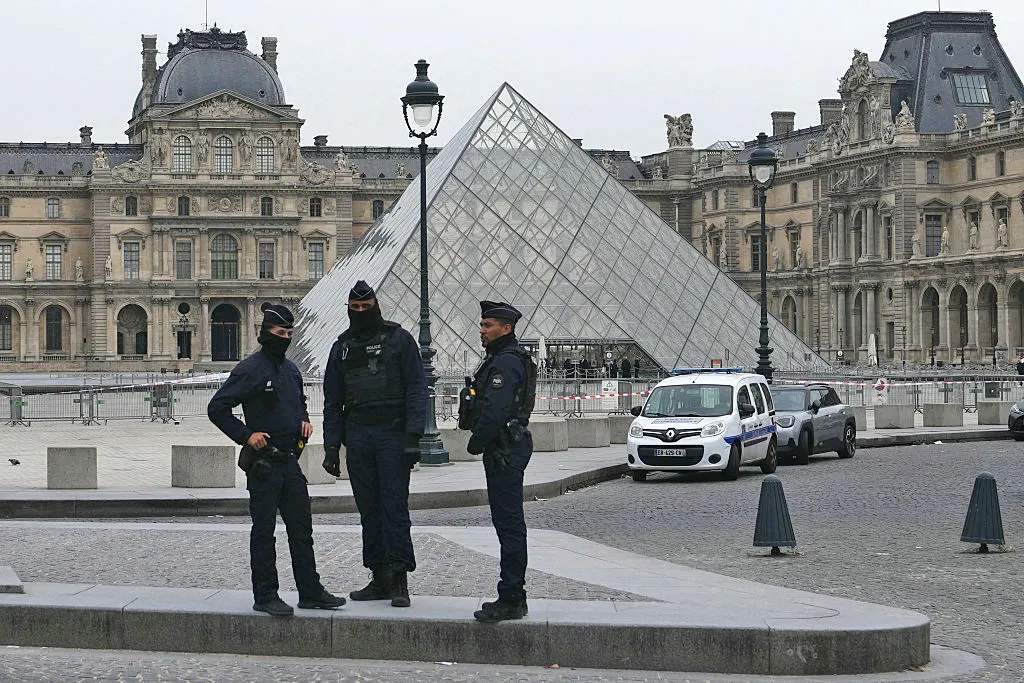
The Louvre Museum, located in Paris, France, is not just a premier art institution but also a symbol of cultural heritage. The museum houses millions of artworks, including the world-renowned ‘Mona Lisa’ and ‘Venus de Milo’. However, its fame has also attracted controversy and criminal attention, as evidenced by the infamous robbery that occurred in the early 20th century. Understanding the details and implications of this theft is crucial to appreciate its relevance in the context of art preservation and security.
The Robbery
The most significant robbery at The Louvre Museum took place on August 21, 1911, when the ‘Mona Lisa’ was stolen by an Italian handyman named Vincenzo Peruggia. Peruggia had previously worked at the museum and believed that the painting belonged in Italy, where it had been taken from during Napoleon’s rule. He hid the painting in his apartment for over two years, evading authorities and instilling fear within the museum staff.
The theft was discovered when museum officials noticed the absence of the famous artwork from its display. The case gained international attention, resulting in extensive media coverage and a public outcry. Authorities launched a widespread manhunt for the stolen masterpiece, employing both police and private investigators in their efforts.
Consequence and Return
In late 1913, Peruggia attempted to sell the ‘Mona Lisa’ to an art dealer in Florence, who, suspicious of the painting’s provenance, alerted the authorities. Peruggia was arrested, and the masterpiece was returned to The Louvre, where it remains to this day. The robbery not only highlighted vulnerabilities in museum security but also sparked discussions about the importance of art provenance and the need for international cooperation in art theft cases.
Significance and Future Implications
The Louvre Museum robbery holds lasting significance in the realm of art preservation. It brought attention to security measures that institutions worldwide began to adopt, including surveillance and advanced locking systems. Additionally, it led to strengthened international laws regarding the ownership and restitution of stolen artworks.
In 2023, many museums continue to develop their security protocols in the wake of historical incidents like the Louvre robbery. As global interest in art and culture grows, so does the need to protect these invaluable treasures. Ongoing discussions surrounding the ethics of art repatriation further emphasize the implications of art theft, generating debate among curators, collectors, and governments around the world.
Conclusion
The notorious robbery at The Louvre Museum remains a defining moment in art history, illustrating the fragility of cultural institutions and the importance of safeguarding heritage. As we look to the future, the lessons learned from this incident serve as a reminder of the continuous efforts required to protect and preserve the world’s artistic legacy.
