Introduction
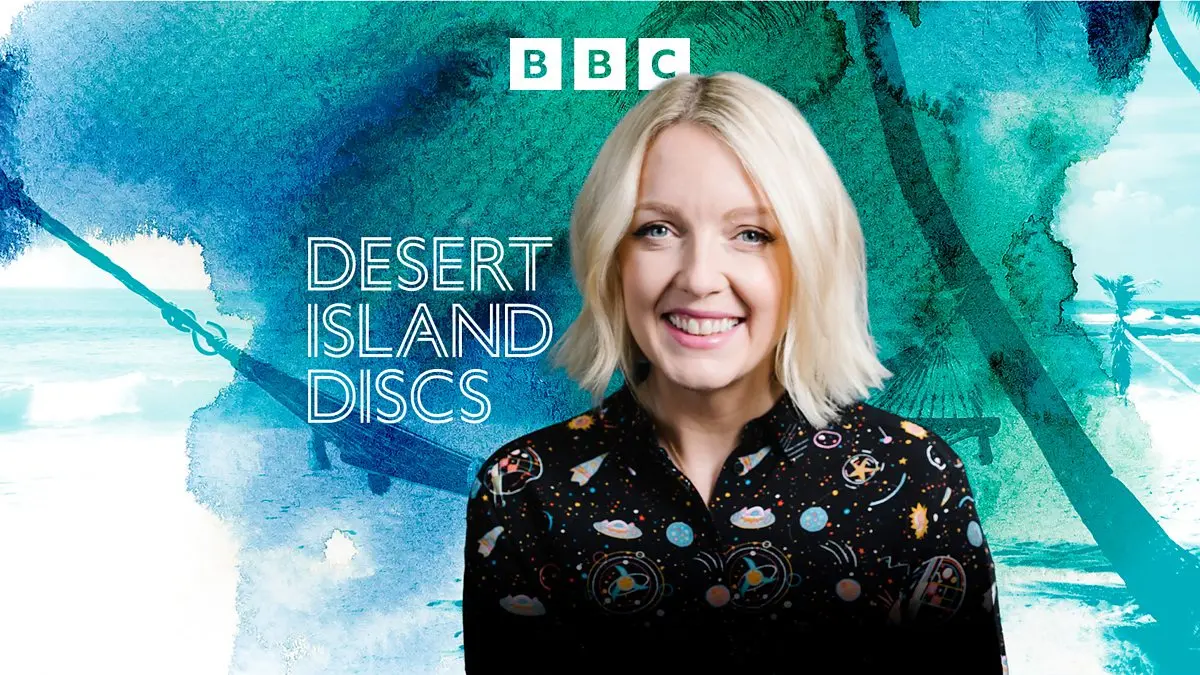
Desert Island Discs, a BBC Radio 4 programme, has entrenched itself as a significant fixture in British culture since its inception in 1942. Each week, a guest is invited to choose eight pieces of music, a book, and a luxury item that they would take with them to a hypothetical desert island. This engaging format not only provides entertainment but also offers a unique insight into the musical tastes and personal stories of a diverse range of guests.
The History of Desert Island Discs
Created by producer Roy Plomley, Desert Island Discs first aired on the BBC on January 29, 1942, as a means to provide morale-boosting entertainment during World War II. Initially featuring mainly musicians and literary figures, the show has evolved to include politicians, scientists, and celebrities from various fields. Over the years, notable guests have included the likes of Archbishop Desmond Tutu, Sir David Attenborough, and even, more recently, climate activist Greta Thunberg.
Format and Cultural Significance
The show’s format allows guests the unique opportunity to reflect on their lives and careers through the lens of music. Each selection of music frequently highlights the guests’ formative experiences and memories, making for deeply personal storytelling. As the guests discuss their chosen tracks, listeners often find resonance with their own experiences, making the programme relatable and engaging for a wide audience.
Recent Developments
In an era where traditional radio is often overshadowed by streaming services and podcasts, Desert Island Discs has managed to adapt effectively. The show has embraced digital platforms, making episodes available for streaming online and maintaining a strong social media presence. In 2023, the show celebrated its 80th anniversary, marking a significant milestone in its continued relevance. Recent episodes have showcased a mix of established legends and emerging voices, suggesting that Desert Island Discs remains committed to diversity in its guest selection.
Conclusion
As Desert Island Discs continues to thrive in the modern age, its impact on British culture remains profound. The programme not only entertains but also fosters a greater appreciation of music as a storytelling medium. With its ability to adapt and resonate across generations, Desert Island Discs is poised to remain a cherished part of British broadcasting for many years to come. Future listeners can look forward to more captivating stories and musical journeys as the show moves into its next chapter.
