Introduction
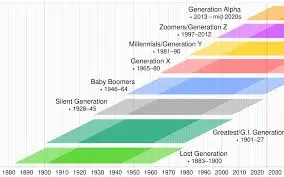
Generation X, often defined as those born between 1965 and 1980, occupies a unique space in the social fabric of contemporary society. As the first generation to grow up with personal computers and the internet, Gen Xers are pivotal in bridging the gap between traditionalist values and the digital revolution. Their experiences and perspectives shape discussions on work, technology, and culture today, making it essential to understand their significance.
Generational Characteristics
Generation X is characterized by their independence, resilience, and adaptability. Often referred to as the ‘latchkey generation’, many individuals grew up in dual-income households or with single parents, which fostered self-reliance from an early age. This independence translates into their workplace behaviour where they value flexibility and work-life balance. A recent survey from the Pew Research Center revealed that 70% of Gen X employees prefer jobs that offer remote work options, indicating a shift in employment expectations heavily influenced by past economic fluctuations.
Influence on Society
Gen X has had a profound impact on various sectors including technology, music, and pop culture. They witnessed the rise of the internet and mobile technology, making them essential for digital literacy and innovation. From grunge music and hip-hop culture to the birth of household brands like Google and Apple, this generation has reshaped entertainment and communication. Additionally, 42% of Gen Xers reported using social media for connecting with old friends, showing their desire for community alongside their tech-savvy nature.
Current Relevance
As the workforce evolves, Generation X continues to play a crucial role. Presently, they are often in managerial positions, guiding younger generations and influencing the corporate landscape. Their work ethics and experience are invaluable assets. Furthermore, with their aging population, Gen X is becoming a peak consumer base in sectors like healthcare and finance. As reported by McKinsey, Gen X is expected to control nearly 29% of disposable income by 2025, making them a key focus for marketers and businesses.
Conclusion
In conclusion, Generation X is not simply a bridge between baby boomers and millennials but a defining force in today’s society. Understanding their unique traits and how they navigate challenges is important for appreciating their contributions and influence. As Gen X moves into retirement age, their impact will likely shape future trends and discussions, making it vital for businesses, policymakers, and society to recognise and engage with this often-overlooked generation.
