Introduction
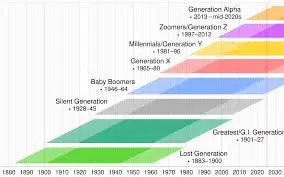
The term ‘Gen Z’ refers to the cohort of individuals born approximately between 1997 and 2012. With their unique experiences shaped by rapid technological advancements, sociopolitical issues, and cultural shifts, understanding the Gen Z years has never been more crucial. This generation is now entering the workforce, influencing consumer behaviour, and driving social change, making their traits and values highly relevant for businesses, educators, and policymakers alike.
Key Characteristics of Gen Z
Gen Z is marked by their digital fluency. Unlike previous generations, many Gen Z individuals have been exposed to smartphones and social media from a young age, granting them unprecedented access to information and connectivity. This generation tends to be more pragmatic and financially-minded compared to millennials, having witnessed the economic challenges posed by the 2008 financial crisis during their formative years.
Moreover, Gen Z is known for being socially conscious. Issues such as climate change, mental health, and social justice resonate deeply with them. According to a survey from McKinsey, about 70% of Gen Z respondents believe it is important for brands to take a stand on social issues, which places pressure on companies to align with their values.
Impact on Society and Culture
As Gen Z progresses into adulthood, their values significantly impact societal norms and trends. Their preference for authenticity and inclusivity is shaping marketing strategies across various industries. For instance, brands are increasingly depicting diverse representations in their advertising campaigns to connect with this cohort.
The rise of TikTok and other social media platforms illustrates the creative expression prevalent among Gen Z. The emphasis on short, engaging content reshapes how information is consumed, particularly among younger audiences. This shift has implications not only for brands but also for educational institutions aiming to engage Gen Z learners.
Conclusion
As the Gen Z years continue to unfold, the influence of this generation on the future landscape becomes more apparent. With their unique perspectives and priorities, Gen Z is steering society towards a more inclusive and socially responsible direction. Businesses and leaders must take heed of these trends to effectively communicate and engage with Gen Z in a way that reflects their values and expectations. Understanding the nuances of these formative years is essential for a successful coexistence and collaboration between generations, paving the way for a more cohesive future.
