Introduction
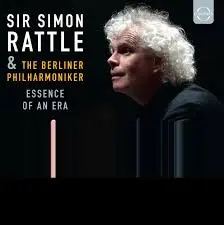
Simon Rattle, one of the most distinguished conductors of our time, has left an indelible mark on the classical music world. Renowned for his dynamic conducting style and deep understanding of orchestral works, Rattle’s importance cannot be overstated. His contributions have revitalised orchestras, brought classical music to new audiences, and nurtured talent across generations. As we witness the ongoing evolution of the classical music landscape, Rattle’s influence remains relevant and pivotal.
Career Highlights
Born in Liverpool in 1955, Simon Rattle first gained prominence in the 1980s with the City of Birmingham Symphony Orchestra (CBSO), where he served as principal conductor from 1980 to 1998. Under his leadership, the CBSO garnered international acclaim, showcasing Rattle’s ability to elevate an orchestra’s artistic standard.
In 2002, Rattle took on the role of principal conductor for the Berlin Philharmonic, a position that further solidified his reputation. His work with the Berlin Philharmonic brought innovative programming that embraced both classical repertoire and contemporary works, making classical music accessible to broader audiences. Rattle’s tenure transformed the orchestra into a leading cultural institution of the 21st century.
In 2017, Rattle made headlines by returning to the London Symphony Orchestra (LSO) as its principal conductor. This reunion marked a significant chapter in his career, further establishing his connection with Britain’s musical legacy. His commitment to education and outreach, including initiatives like the LSO’s Discovery programme, reinforces his role not only as a conductor but as a mentor and advocate for music education.
Recent Developments
As we enter 2023, Rattle continues to be a prominent figure in the classical music scene. In October 2022, he directed a critically acclaimed performance of Mahler’s Symphony No. 8 with the LSO, receiving rave reviews for his interpretation and leadership. His schedule remains packed with various international performances and projects, reflecting his unyielding passion for music.
Additionally, Rattle is deeply invested in championing new composers and ensuring the future of classical music. His upcoming collaborations with emerging talents promise to bring fresh ideas to the orchestral scene, potentially reshaping audience experiences.
Conclusion
Simon Rattle’s journey as a conductor embodies not only personal achievement but also the evolution of classical music in contemporary society. His persistent efforts to engage new audiences and promote musical education illustrate that Rattle is more than just a maestro; he is a cultural ambassador. As he forges ahead with new projects and performances, we can anticipate that his impact on orchestras and future musicians will continue to resonate, ensuring the survival and relevance of classical music for generations to come.
