Introduction
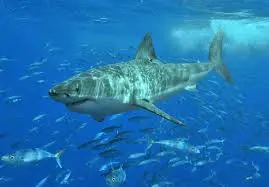
The Great White Shark (Carcharodon carcharias) stands as one of the ocean’s most formidable predators and a symbol of marine biodiversity. With its reputation cemented in popular culture as both a fascinating and feared creature, the Great White Shark holds significance not just in terms of ecological balance but also in efforts for conservation. Understanding this majestic species is crucial, especially as it faces various threats in its natural habitat.
Physical Characteristics and Habitat
The Great White Shark can reach lengths of up to 6 metres (20 feet) and weigh over 2,200 kilograms (4,850 pounds). Renowned for their pointed snouts, large dorsal fins, and serrated teeth, these sharks are apex predators. They are primarily found in coastal waters of temperate seas, although their range extends across the world’s oceans.
Behaviour and Diet
Great White Sharks are known for their hunting prowess and unique hunting strategies. They often ambush prey from below, utilising their acute senses, particularly in detecting vibrations from potential prey. Their diet consists predominantly of marine mammals such as seals, but they are opportunistic feeders and will consume various species of fish.
Conservation Status
Despite their apex status, Great White Sharks are classified as vulnerable by the International Union for Conservation of Nature (IUCN). They face numerous threats including overfishing, bycatch in fishing gear, and habitat degradation. In recent years, there has been a growing movement towards the protection of these sharks, spearheaded by various conservation organisations. In some regions, they are now protected by law, but their numbers are still in decline.
Conclusion
The Great White Shark continues to inspire awe and fear alike. As research progresses, it becomes increasingly apparent that these sharks play a vital role in maintaining the balance of marine ecosystems. Efforts to conserve their populations are essential not only for the continuation of their species but also for the overall health of the oceans. By raising awareness and advocating for stricter protections, we can help ensure that future generations will have the opportunity to coexist with these magnificent creatures.
