Introduction
The rise of remote working has transformed the traditional office into a more flexible concept. The home office, once a mere convenience, has become a critical aspect of the working environment in 2023. As companies and employees adapt to this shift, understanding the implications of home office setups has never been more relevant.
The Growth of Home Offices
With the COVID-19 pandemic reshaping work life, statistics indicate that more than 30% of the UK workforce is now working from home at least part-time as of early 2023. Employers are recognising that flexible working not only enhances productivity but also fosters greater employee satisfaction. According to a report by the Office for National Statistics, over 80% of remote workers reported they were happy with their work-life balance.
Design and Functionality
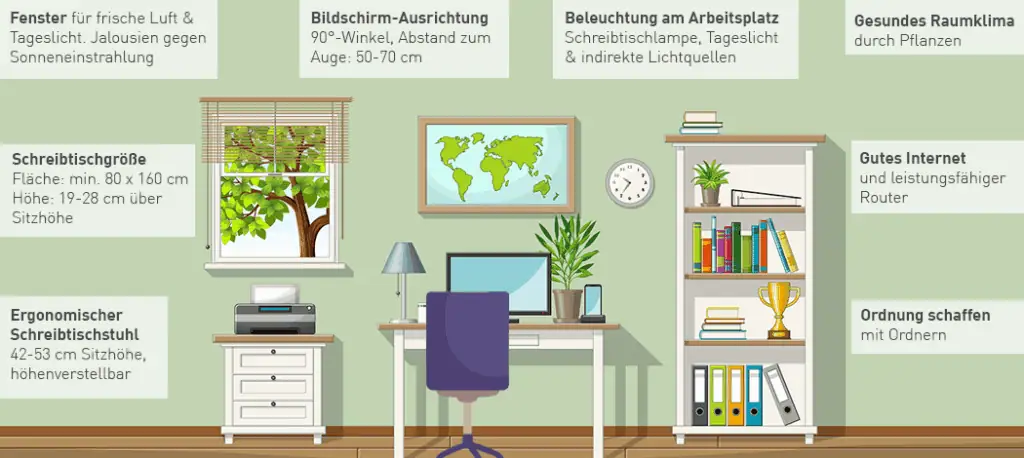
The design of home offices has evolved significantly, with many individuals now investing in ergonomically designed furniture and technology to create dedicated workspaces. This trend not only improves comfort but also boosts productivity. Innovations such as standing desks, high-quality webcams, and noise-cancelling headphones have become staples in these home environments. Furthermore, a recent survey by the Chartered Institute of Personnel and Development showed that 58% of employees wished to see more corporate support for home office setups.
Challenges and Solutions
Despite the benefits, there are also challenges associated with working from home, including feelings of isolation, distractions at home, and the inability to separate work from personal life. To counter these issues, companies are implementing virtual team-building activities and encouraging regular check-ins to maintain camaraderie and support. Additionally, mental health resources are increasingly being integrated into company benefits, highlighting the importance of well-being in this new work paradigm.
Conclusion
As 2023 progresses, the home office will continue to play a significant role in shaping the future of work. Both employers and employees must adapt to these changes, ensuring that work-from-home policies are sustainable and conducive to a healthy work-life balance. The shift towards remote work appears to be a permanent fixture in our professional landscape, making the home office not just a trend, but an essential aspect of modern working life. Looking ahead, investments in home office infrastructures will likely increase, as the necessity for effective remote working becomes clearer to all sectors.
