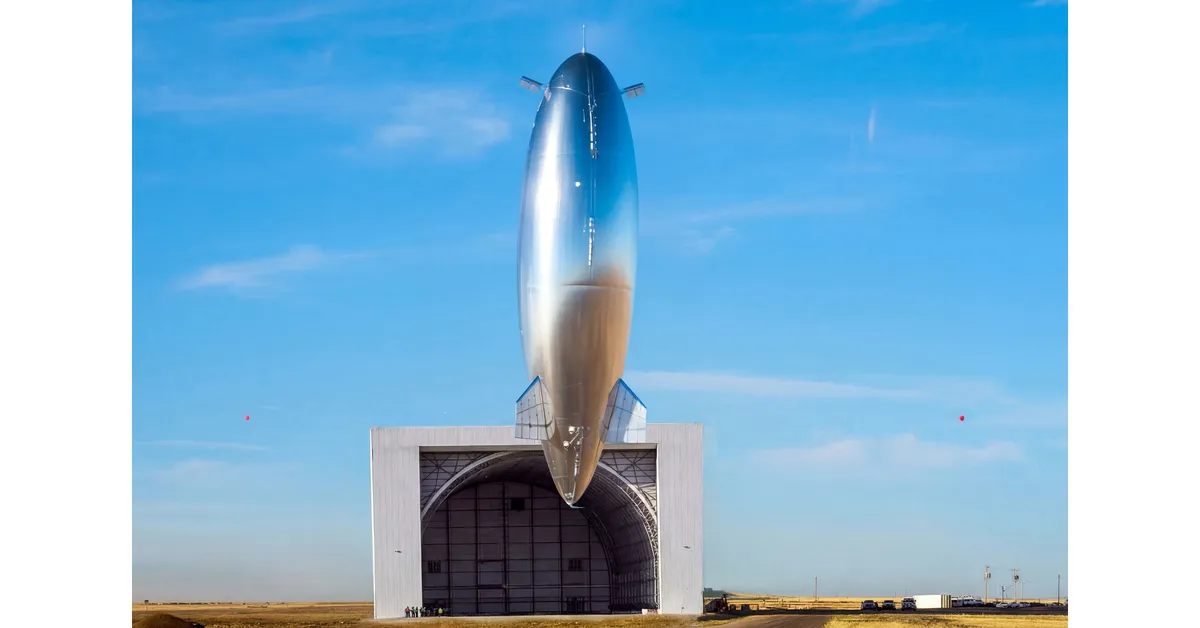
On March 25, 2026, at 8:26 AM MT, Sceye launched its SE2 High-Altitude Platform System (HAPS) from New Mexico, marking the beginning of a remarkable 12-day flight. This innovative aircraft covered over 6,400 miles, ultimately reaching Brazil while maintaining position over selected locations for more than 88 hours. Mikkel Vestergaard Frandsen, a spokesperson for Sceye, emphasized the significance of this achievement, stating, “Endurance is what makes this possible. The ability to remain over an area for extended periods enables persistent connectivity and real-time monitoring where traditional networks and existing technologies fall short.”
Meanwhile, the airline industry faced turbulence as Lufthansa announced the cancellation of 800 flights due to a pilot strike, affecting approximately 100,000 passengers. The airline indicated that it would operate only about one-third of its short-haul schedule and 50% of its long-haul routes during the strike. This disruption has raised concerns among travelers who rely on Lufthansa for their travel plans.
In a contrasting development, Québec City Jean Lesage International Airport (YQB) is set to experience a significant increase in capacity. In 2026, YQB will offer 376,456 additional seats compared to pre-pandemic levels, representing a 15% increase in capacity over 2025. Stéphane Poirier, the airport’s director, noted, “Passengers wanted more destinations, more flights, and more seats. We heard them, and thanks to our excellent relationships with the airlines, that is exactly what they are getting.”
As summer 2026 approaches, YQB will also add five more destinations compared to the previous year, further enhancing travel options for passengers. Joël Lightbound, a local representative, expressed optimism about the airport’s growth, stating, “The historic increase in seat capacity at the Québec City airport is excellent news for the entire region. It means more tourists, more investment, and more opportunities for our local businesses.”
Samantha McKinley, a tourism expert, highlighted the broader implications of this increase in capacity, saying, “This unprecedented number of seats opens up some incredible prospects for the tourism industry. It makes the destination more accessible and allows us to bring in even more visitors and business events while strengthening our position in key markets.”
As these developments unfold, the aviation landscape is evolving rapidly. The contrast between Sceye’s technological advancements and Lufthansa’s operational challenges underscores the complexities faced by the industry. While Sceye’s flight showcases the potential of high-altitude systems, the pilot strike at Lufthansa serves as a reminder of the human factors that can impact air travel.
Travelers and industry stakeholders alike are closely monitoring these changes, as they will shape the future of air travel. The ability to adapt to challenges while embracing innovation will be crucial for airlines and airports in the coming years.
