Introduction
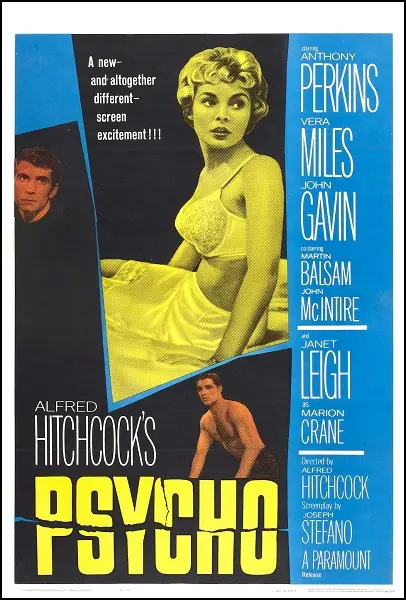
The Psycho film, directed by Alfred Hitchcock in 1960, is often regarded as one of the most significant horror thrillers in cinematic history. Its psychological depth, innovative narrative techniques, and unsettling atmosphere established new standards for the genre, influencing countless filmmakers and shaping audience expectations. In an era where psychological horror was still in its infancy, Hitchcock’s use of suspense, visual storytelling, and character complexity opened the door to modern filmmaking and remains relevant today.
Synopsis and Key Elements
Psycho follows Marion Crane, played by Janet Leigh, who steals a large sum of money from her employer and seeks refuge at the eerie Bates Motel. There, she meets Norman Bates, portrayed by Anthony Perkins, whose troubled relationship with his mother creates an unsettling backdrop for the unfolding events. The film is renowned for its shocking plot twists, particularly the infamous shower scene, which not only terrifies audiences but also redefined the portrayal of violence in cinema.
Impact on Cinema
The Psycho film has left an indelible mark on the horror genre, establishing tropes and conventions that are still ubiquitous in modern narratives. Its innovative use of music, especially the iconic score by Bernard Herrmann, heightens the tension and suspense, proving that sound plays a critical role in the horror experience. Psycho also introduced the concept of the “anti-hero,” as Norman Bates, while deeply flawed, elicits a level of sympathy from the audience, leading to discussions about morality and psychological complexity in film characters.
Critical and Commercial Success
The film was a commercial success, earning over $50 million against a budget of just $800,000, and receiving critical acclaim, including an Academy Award nomination for Best Supporting Actress for Leigh. Over the years, Psycho has garnered a cult following and remains a subject of study in film schools worldwide, influencing filmmakers like Brian De Palma, Wes Craven, and Quentin Tarantino, who have all cited Hitchcock’s influence on their work.
Conclusion
Today, Psycho continues to be a pivotal influence in the film industry, often considered a benchmark for psychological thrillers. Its ability to engage and captivate viewers while exploring deep-seated fears and the human psyche highlights the timeless appeal of Hitchcock’s work. As cinema evolves, the principles established in Psycho serve as a reminder of the artistry behind effective horror, ensuring that its legacy will endure for generations to come.
