Introduction
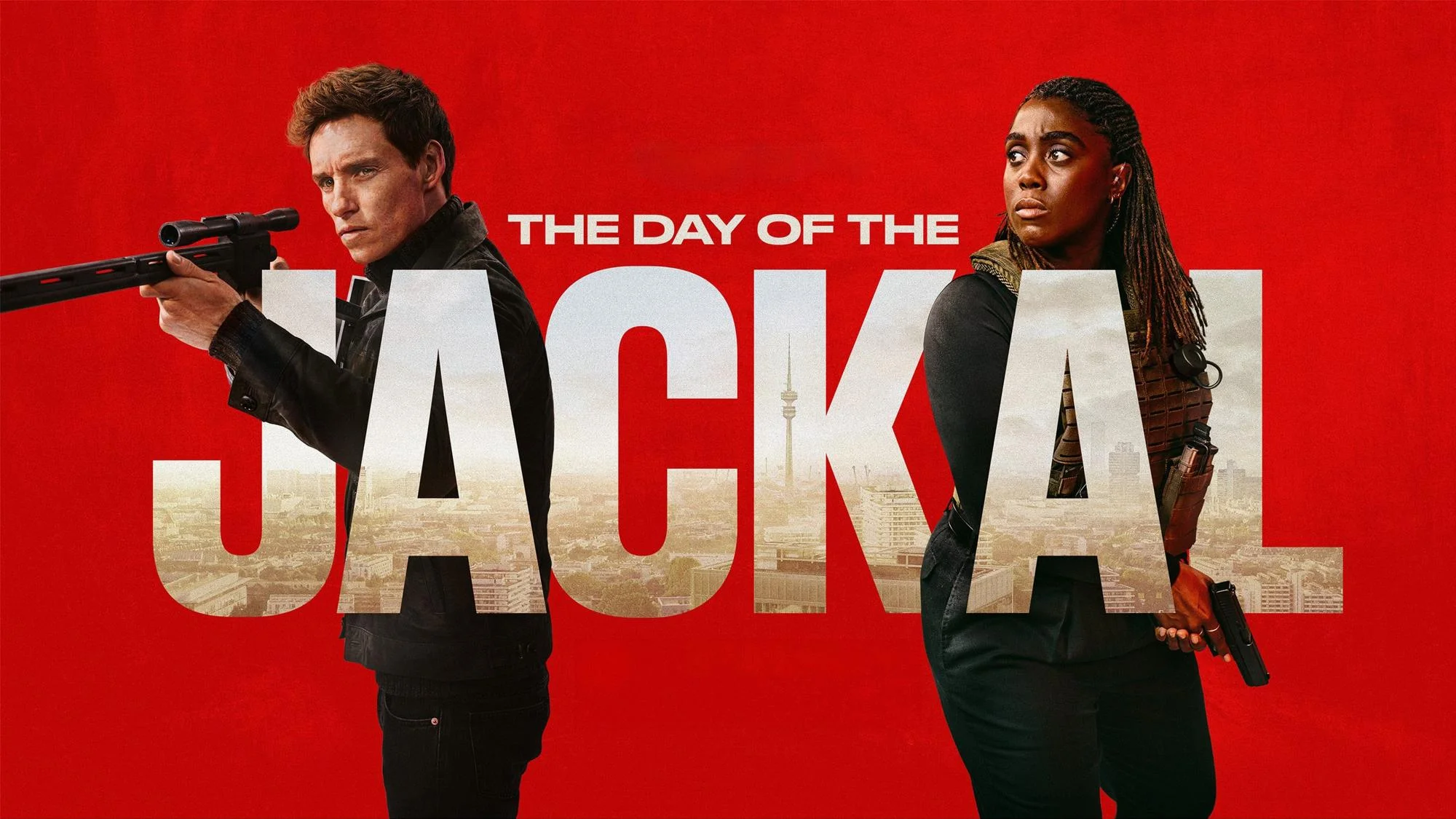
The Day of the Jackal, a renowned political thriller published in 1971 by Frederick Forsyth, has continued to capture the imagination of readers worldwide. Its themes of political espionage, assassination, and the complexity of human characters make it relevant to contemporary audiences. As global politics becomes increasingly fraught, the tension and intrigue found within Forsyth’s novel resonate with current events, prompting fresh discussions about its narrative and impact.
The Plot and Impact
The novel revolves around an unnamed assassin, codenamed ‘Jackal’, who is hired to kill Charles de Gaulle, the then President of France, in order to restore a French government sympathetic to the OAS, a far-right group opposed to Algerian independence. Forsyth masterfully crafts a suspenseful narrative, detailing the meticulous planning of the Jackal and the ensuing race against time as French authorities strive to thwart the plot.
What sets The Day of the Jackal apart is its realistic portrayal of political machinations. Forsyth’s background as a journalist lends an air of authenticity to the story, with detailed accounts of events and operational procedures informing the narrative. The author’s access to reliable information and his careful research were instrumental in creating a plot that feels both credible and engaging.
Current Relevance
In recent years, the dynamics of political power struggles and violent opposition have become increasingly relevant as nations grapple with extremist movements and political assassinations. The Day of the Jackal provides a window into the motivations behind such actions—examining how individuals and groups operate under the guise of ideology, yet often pursue personal vendettas or power.
The novel has informed numerous adaptations, most notably the critically acclaimed 1973 film directed by Fred Zinnemann, starring Edward Fox, which has further cemented its status in popular culture. The adaptation remains a benchmark for political thrillers, drawing parallels with contemporary cinematography that often depicts similar themes of conspiracy and political discord.
Conclusion
The Day of the Jackal has transcended its time, illustrating the intricate interplay of power, politics, and individual ambition. As political landscapes shift globally, the lessons and themes presented in Forsyth’s narrative remain pertinent for new generations. Readers and film watchers alike are drawn into a nuanced understanding of how actions taken in the name of ideology can lead to unforeseen consequences, thus reinforcing the relevance of The Day of the Jackal in today’s complex world. As political thrillers continue to evolve, Forsyth’s work will likely inspire further exploration into the hidden corridors of power.
