Introduction
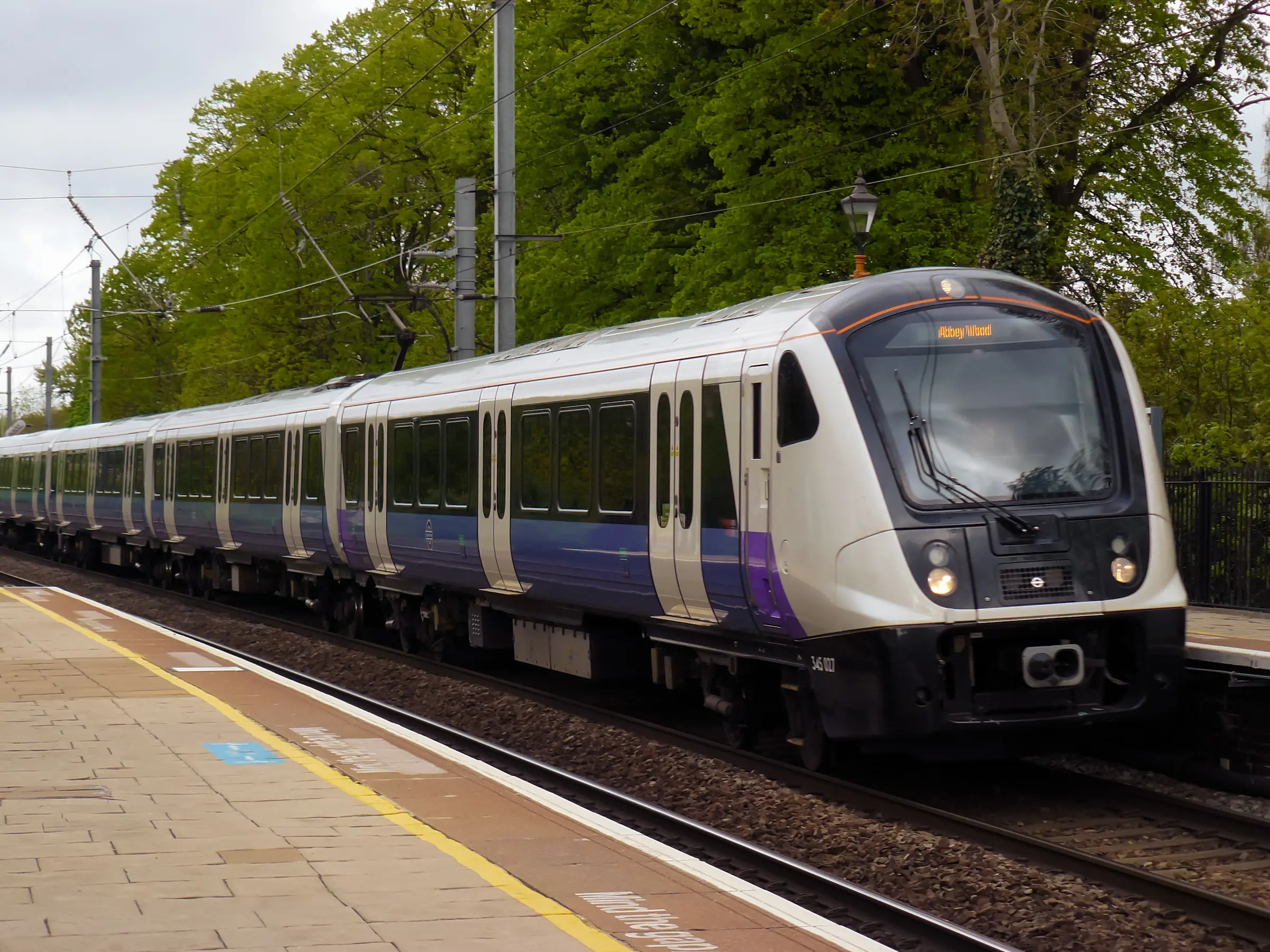
The Elizabeth Line, also known as Crossrail, represents a significant expansion in London’s transport infrastructure, improving connectivity across the city and surrounding areas. Officially opened in May 2022, this new railway service is vital for commuters, as it provides faster and more efficient travel options for millions of passengers.
Key Features and Benefits
The Elizabeth Line spans 100 kilometers, linking Reading and Heathrow in the west to Shenfield and Abbey Wood in the east. It features 41 accessible stations, including several newly constructed ones, making it one of the most accessible transport services in the UK. The line’s trains can operate at high-frequency intervals of up to 24 trains per hour during peak times, significantly reducing travel times between major destinations. For example, passengers can travel from Paddington to Canary Wharf in under 30 minutes, a journey that traditionally took much longer.
Recent Developments
As of October 2023, the Elizabeth Line continues to expand its service, enhancing transport options for underserved areas. The recent integration of the line with London’s Underground, Overground, and National Rail services has streamlined commuter journeys, providing seamless connections for passengers. Furthermore, ongoing marketing campaigns have aimed to increase public awareness and ridership, highlighting environmental benefits such as reduced congestion and lower carbon emissions.
Impact on Local Economy
The introduction of the Elizabeth Line is expected to significantly impact the local economy. By improving access to central London, businesses along the route experience increased foot traffic and customer access. Property values in areas adjacent to the line have already begun to rise, suggesting that the line will continue to be a catalyst for economic growth and urban development.
Conclusion
The Elizabeth Line has transformed London’s transport landscape, establishing itself as a vital artery for both commuters and businesses. Its ongoing development and integration into the wider transport network are expected to yield long-term benefits, not only for those who rely on it for daily travel but also for the broader economic landscape of London. As more residents embrace this efficient mode of transport, the Elizabeth Line stands to play a crucial role in London’s development in the years to come.
