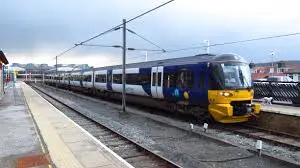
Introduction
Northern Trains has positioned itself as a crucial player in the transport landscape of the North of England. As one of the key rail operators, its services are essential for daily commuters, tourists, and businesses alike. With ongoing investments in infrastructure and customer service, Northern Trains aims to improve rail connectivity, accessibility, and overall travel experience across multiple regions.
Recent Developments
In recent months, Northern Trains has seen a significant evolution in its operations, driven by both government initiatives and customer feedback. In September 2023, the company announced a £500 million investment that focuses on modernising its fleet, enhancing station facilities, and improving service frequency. This investment follows a series of complaints regarding the reliability and comfort of their existing trains, which have sparked debates around the quality of rail services in the region.
Moreover, the introduction of new electric trains to the fleet is part of a broader commitment to sustainability. Expected to roll out by the end of 2024, these eco-friendly trains will not only provide a faster service but also contribute to reducing carbon emissions, aligning with the UK’s green objectives.
Customer Experience Improvements
To address feedback from passengers, Northern Trains has also introduced various customer service initiatives. Recently, they launched a new mobile app designed to improve ticket purchasing and offer real-time updates on train schedules. The app provides features such as live train tracking, station information, and even seat availability, enhancing the travel experience for users.
Furthermore, after a successful pilot programme, Northern Trains is expanding its staff training programs, focusing on enhancing customer interaction skills and ensuring that all employees are equipped to assist passengers better, especially those with disabilities or additional needs.
Future Outlook
The commitment from Northern Trains to transforming its service offerings and infrastructure is promising. Industry experts suggest that with the ongoing upgrades and community engagement efforts, ridership is expected to rise significantly in the coming years. Increased passenger numbers are likely to stimulate further investment, which will, in turn, enhance service offerings and expand network coverage.
In conclusion, Northern Trains plays a pivotal role in shaping the future of rail travel in the North of England. As investments continue and services evolve, the emphasis on sustainability and customer satisfaction may set a benchmark for other rail operators throughout the UK. The upcoming changes not only highlight the importance of rail networks in daily life but also emphasize a collective effort towards a more efficient and environmentally friendly transportation system.
