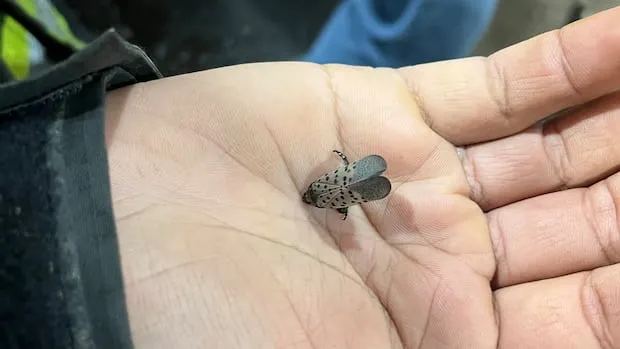
A recent sighting of the invasive spotted lanternfly in St. Catharines, Ontario, has heightened fears about its potential threat to local industries. This discovery is alarming because the insect can feed on over 100 species of trees and plants, including those crucial to the grape and wine industries.
First detected in the United States in 2014, the spotted lanternfly has since spread across various regions. The Canadian Food Inspection Agency has been monitoring its movements closely. So far, there are no established populations of this pest in Canada, but reports have emerged from Hamilton, Windsor-Essex, and Niagara.
Why does this matter? The economic impact could be severe. The grape industry alone stands to suffer significantly if this invasive species establishes itself. If left uncontrolled, experts warn that it can cause major economic damage.
Key facts:
- A spotted lanternfly was discovered in St. Catharines, Ontario.
- The insect can feed on more than 100 species of trees and plants.
- The adult spotted lanternfly typically measures about three centimetres long and 1.2 centimetres wide.
Aidan Dagg, a local entomologist, expressed concern about the situation: “I’m a huge bug nerd,” he stated, emphasizing the need for vigilance. The presence of this pest could jeopardize plant health across multiple sectors.
The spotted lanternfly’s ability to survive in both hot and cold temperatures adds another layer of complexity to its management. As officials continue to assess the situation, they remain alert for further sightings that could indicate an expanding presence.
While preventative measures have been in place since 2018 to regulate this species in Canada, uncertainty lingers regarding its future spread. Authorities are actively investigating how best to mitigate any potential fallout from this recent sighting.
