The numbers
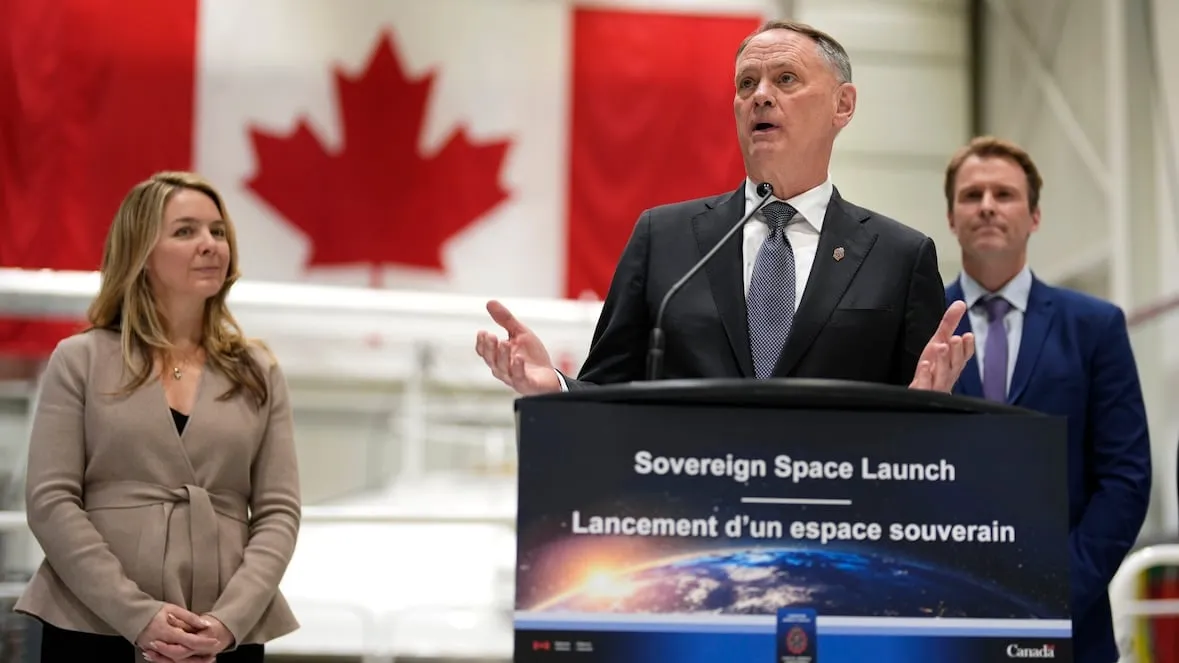
Canada is set to invest $200 million towards its first launch pad in Nova Scotia, marking a significant milestone in the nation’s space exploration efforts. The launch pad is expected to be completed by 2028, enabling Canada to establish a more robust presence in the global space industry.
The Tundra rocket, which will utilize this launch pad, is capable of delivering over 500 kg (1,100 lbs) to Low Earth Orbit (LEO). This capability is crucial as Canada has historically relied on foreign companies like SpaceX to launch its satellites, as noted by Stephen Matier, who stated, “For years, we’ve been taking our satellites from MDA Space or Kepler or those here in Canada and writing big cheques to SpaceX to launch them from Florida or from California.” This new initiative aims to change that narrative.
In a related development, the Coronagraph satellite reestablished contact after a month of silence on March 19, 2026. This satellite, along with the Occulter, was launched together in December 2024 and maintains a distance of about 500 feet (150 meters) apart in space. The Coronagraph requires incredibly precise formation flying, with an accuracy of just 1 millimeter, highlighting the advanced technology and expertise involved in these missions.
David McGuinty emphasized the importance of satellites to the Canadian economy, stating, “About 20 per cent of the Canadian economy relies on satellites — our banking systems, our cellphone systems, our transactions.” This statistic underscores the critical role that space exploration and satellite technology play in everyday life and the economy.
As Canada embarks on this new chapter in space exploration, the government has also awarded an $8.33 million Phase 1 grant to NordSpace, a company dedicated to developing scalable end-to-end space launch capabilities. Rahul Goel, a representative from NordSpace, remarked, “At NordSpace, we have been working for years to develop scalable end-to-end space launch capabilities for Canada, and today our nation has sent an unequivocal signal that Canada too will become a spacefaring nation capable of assured access to space.” This investment and commitment to innovation are expected to bolster Canada’s position in the international space community.
March 18 is celebrated annually as the anniversary of the first-ever spacewalk, which took place in 1965 by Russian cosmonaut Alexei Leonov. This historical event serves as a reminder of the advancements in space exploration over the decades and the ongoing efforts to push the boundaries of what is possible in this field.
Observers are keenly watching how these developments will unfold, particularly with the expected completion of the launch pad and the operational capabilities of the Coronagraph and Occulter satellites. As Canada strengthens its space exploration initiatives, the nation is poised to play a more significant role in global space activities.
