Introduction
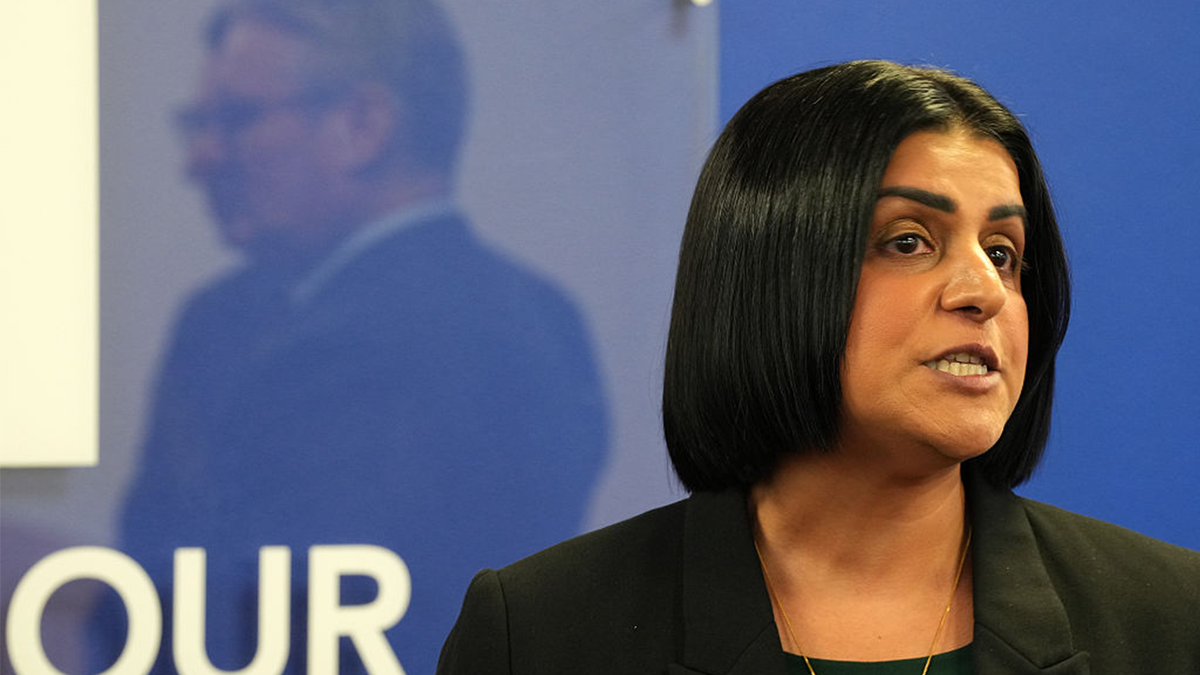
In a period marked by ongoing debates about immigration policy, Shabana Mahmood, the Shadow Minister for Immigration, has emerged as a prominent advocate for comprehensive reforms in the UK’s immigration system. Her position is especially relevant as the nation grapples with the challenges of economic recovery post-pandemic and the implications of Brexit on workforce challenges.
Current Context of Immigration in the UK
The UK immigration system has faced scrutiny over its complexity and the perceived barriers it creates for potential immigrants. With a new immigration policy in place since Brexit, Mahmood argues that the existing framework fails to meet the labour market demands and is detrimental to not only the economy but also to the diverse fabric of UK society. Her recent speeches and initiatives highlight the necessity for a humane and fair immigration approach that supports both the economy and communities.
Key Proposals for Reform
Mahmood has put forth various proposals aimed at transforming the immigration landscape in the UK. Among her key initiatives is the call for streamlined processes that reduce waiting times for visa applications and an evaluation of the Points-Based System introduced by the government. She advocates for provisions that allow for more flexibility in work visas, particularly in sectors like healthcare, where there is a pressing shortage of workers. Additionally, she highlights the need to address the concerns surrounding the treatment of asylum seekers, promoting measures that ensure their rights and welfare are prioritized.
Political Reactions and Implications
The proposals have sparked discussions across the political spectrum. Supporters argue that Mahmood’s reforms are essential for addressing labour shortages and enhancing the UK’s competitive edge in the global market. Conversely, critics stress the importance of maintaining strict border controls, suggesting that any reforms must not compromise national security or public services.
Conclusion
Shabana Mahmood’s push for immigration reforms is a significant development in the current political climate of the UK. As the country continues to adapt to economic challenges and demographic shifts, her proposals could lead to a re-evaluation of how immigration policies are crafted and implemented. This is a pivotal moment for policymakers, and the policies enacted in response to Mahmood’s proposals could have lasting implications for both immigrants and the broader UK society. Engaging with this topic will be crucial for readers looking to understand the future of immigration in the UK.
