Introduction
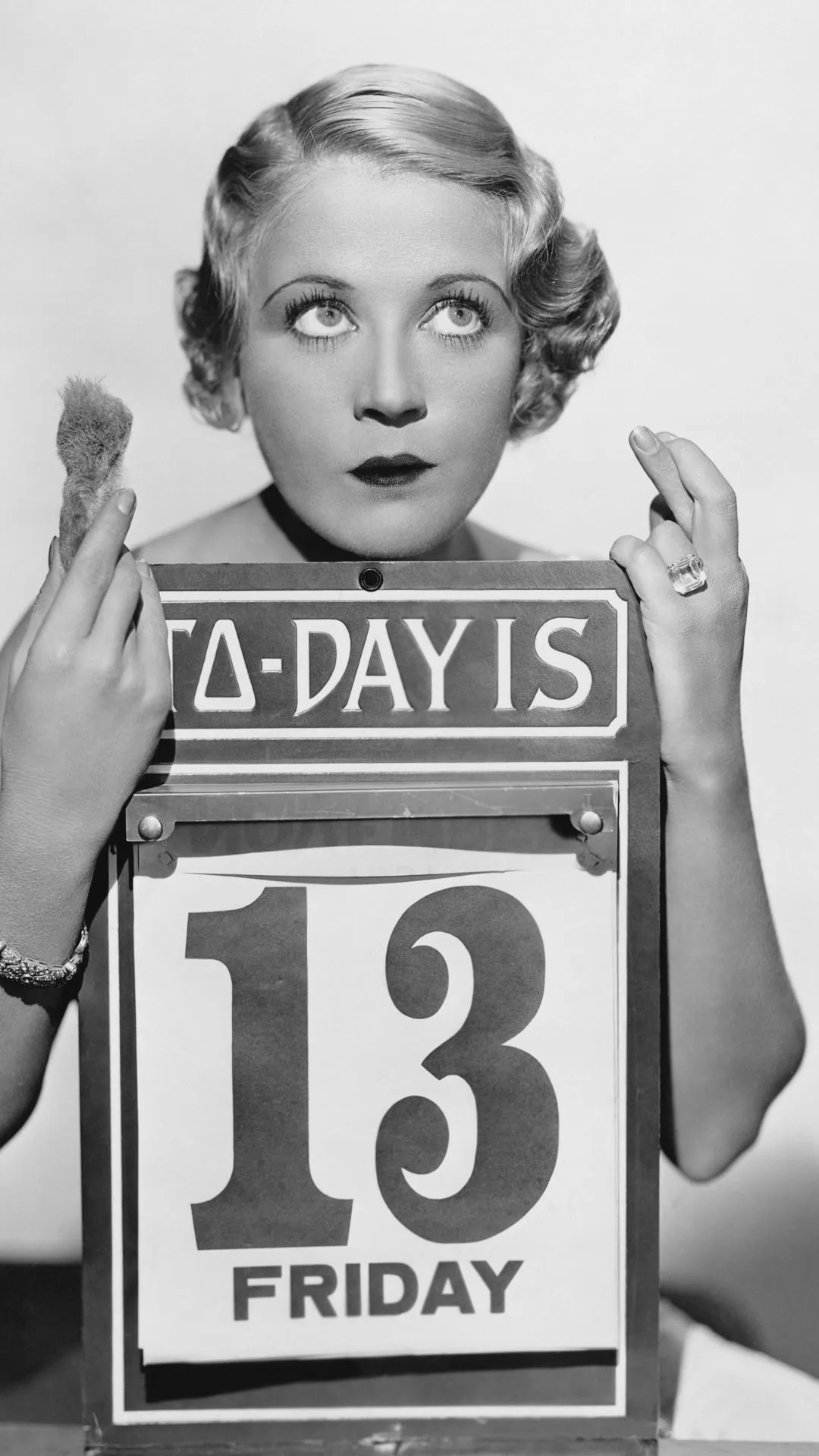
Friday the 13th is often regarded as an ominous day, steeped in cultural superstitions and beliefs around bad luck. This date has captured the attention of many, leading to various interpretations spanning from ancient myths to modern media. Understanding why and how this day instils fear can offer a glimpse into societal attitudes towards luck, fear, and cultural narratives.
The Roots of the Superstition
The origin of the superstition surrounding Friday the 13th is widely believed to be a convergence of two separate fears: the number 13 and Fridays themselves. The number 13 has long been associated with misfortune; for example, there are 13 guests at the Last Supper, one of whom betrayed Jesus. Similarly, Fridays have biblical connotations of hardship, as it is said to be the day Christ was crucified.
Historical References
Historically, the fear of Friday the 13th is documented as far back as the 19th century. The term ‘paraskevidekatriaphobia’ was coined to describe the fear of this day, further embedding it into the fabric of pop culture. Moreover, a 1907 publication by Thomas Lawson titled Friday, the Thirteenth significantly popularised the superstition, depicting a stockbroker manipulating the day’s fears for financial gain in the stock market.
Modern-Day Significance
In contemporary society, Friday the 13th continues to evoke fascination. It has inspired countless movies, books, and folklore, which contribute to the curiosity surrounding it. The titular horror film franchise, starting with the 1980 release, has made Friday the 13th synonymous with slasher films, further solidifying its place in popular culture. Many people even take precautions on this day, avoiding travel or important events to sidestep any potential bad luck, showcasing how deeply rooted these beliefs remain.
Conclusion
Despite the increasing rationality in society, superstitions surrounding Friday the 13th persist. This fusion of myth and reality illustrates how cultural beliefs can shape our actions and perceptions. As we navigate further into the 21st century, it remains to be seen whether the fear of Friday the 13th will diminish or continue to evolve, influencing generations to come. For many, it serves as a reminder of the irrationality of fear and the influence of cultural narratives on our everyday lives.
