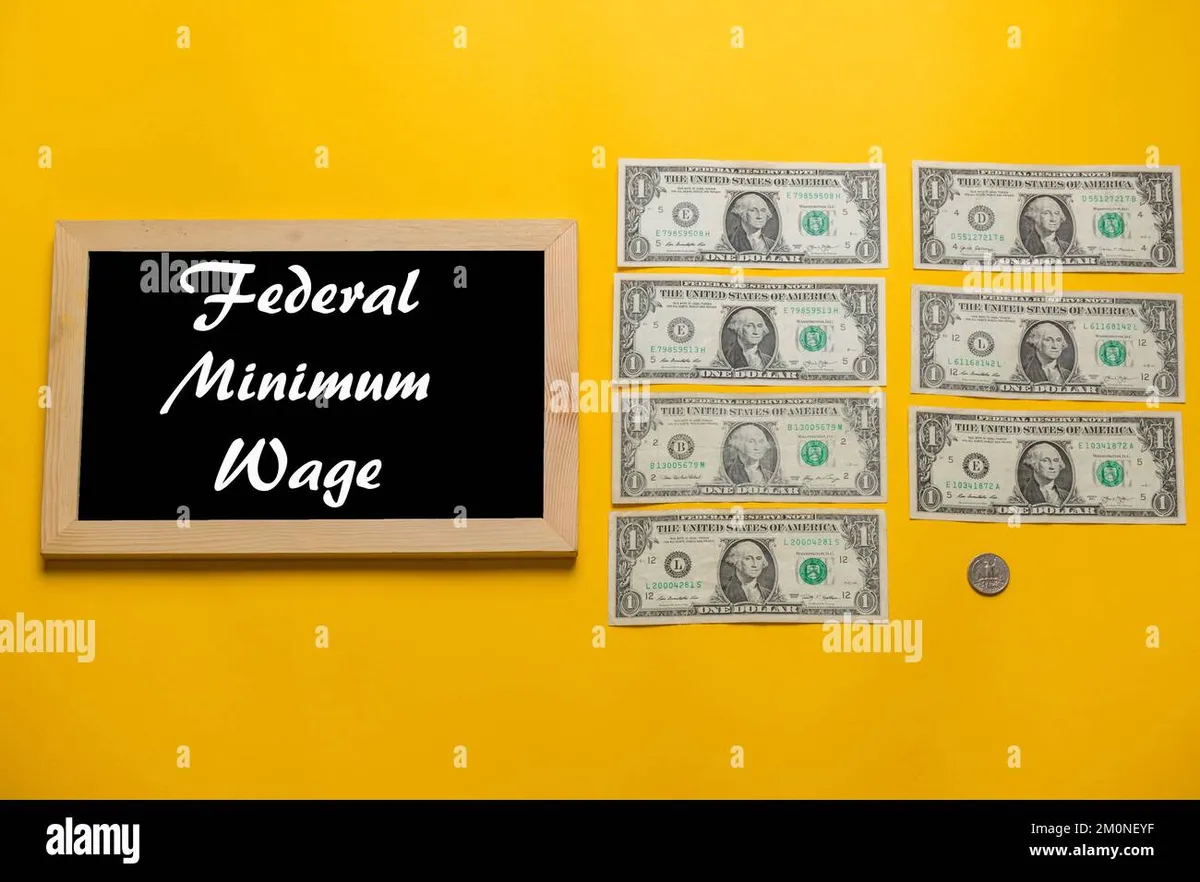
The recent announcement regarding the increase in the federal minimum wage has raised significant concerns for small and medium enterprises (PME). Business owners are bracing for the financial implications of this change, which could strain their operations and profitability.
Philippe Richard Bertrand, a prominent voice in the business community, stated, “Ça fait BEAUCOUP: nos PME vont SUBIR les conséquences de cette hausse du salaire minimum,” highlighting the substantial burden that this wage hike will impose on smaller businesses.
The decision to raise the federal minimum wage stems from ongoing discussions about improving living standards for workers. Advocates argue that a higher minimum wage is essential for ensuring that employees can meet their basic needs, while opponents warn of the potential negative effects on employment and business viability.
Currently, the federal minimum wage stands at a level that many believe is insufficient for workers to thrive. The increase aims to address this disparity, but it also raises questions about the sustainability of small businesses that may struggle to absorb the additional labor costs.
As the federal minimum wage rises, small and medium enterprises may face difficult choices, such as reducing staff, cutting hours, or increasing prices to maintain their margins. These adjustments could lead to a ripple effect in the economy, impacting not just businesses but also consumers and the overall job market.
While the exact details of the wage increase are still being finalized, the implications for PMEs are becoming increasingly clear. Many business owners are expressing their worries about how this change will affect their operations and the broader economic landscape.
Details remain unconfirmed regarding the specific timeline and implementation of the wage increase, but the conversation around its potential impact continues to evolve. Stakeholders from various sectors are closely monitoring the situation, preparing for the changes that lie ahead.
As this situation develops, it will be crucial to observe how small businesses adapt to the new wage structure and what measures they take to mitigate the financial strain. The outcome will likely shape discussions around labor policies and economic strategies in the coming months.
