Introduction
Richmond Park, one of the largest royal parks in London, is a vital green space that contributes to the city’s ecosystem and offers a recreational haven for both locals and tourists. Covering over 2,500 acres, it is home to a variety of flora and fauna, including a population of over 600 free-roaming deer. As urban areas continue to grow, parks like Richmond are increasingly important for providing natural landscapes that promote mental well-being and physical activity.
Historical Significance
Richmond Park has a rich history that dates back to the 17th century when it was enclosed by Charles I in 1637 as a deer park. The park retains historical structures, such as the elegant Pembroke Lodge, offering panoramic views of the Thames Valley. Over the years, the park has hosted various events and gatherings, showcasing its importance not only as a recreational space but also as a part of England’s cultural heritage.
Flora and Fauna
The park boasts an impressive array of wildlife, with over 140 species of birds recorded. Birdwatchers and nature enthusiasts frequently visit to observe species such as woodpeckers, swans, and various migratory birds. The park’s woodlands, heathlands, and grasslands create diverse habitats for insects and small mammals, making it an ecological treasure within the urban landscape. The annual migration of deer during the rutting season in autumn attracts visitors who come to witness this natural spectacle.
Recreational Activities
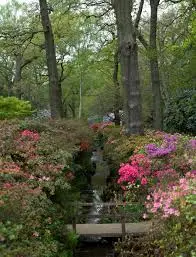
Richmond Park offers numerous recreational opportunities for visitors. From walking, running, and cycling paths to horseback riding, the park caters to all preferences. Visitors can also enjoy picnics, visit the Isabella Plantation—a beautiful woodland garden— or engage in outdoor sports. Facilities such as cafes and wooden benches ensure that guests can relax while enjoying the breathtaking surroundings.
Conclusion
Richmond Park is more than just a green space; it is a vital part of London’s heritage and biodiversity. The ongoing efforts to maintain and protect this natural landscape are essential as urbanisation encroaches on existing green areas. For Londoners and visitors alike, Richmond Park offers a tranquil escape and a connection to nature, reinforcing the need to support and preserve such areas for future generations. As awareness of the importance of urban green spaces grows, Richmond Park stands out as a leading example of how cities can successfully integrate nature into their urban planning.
