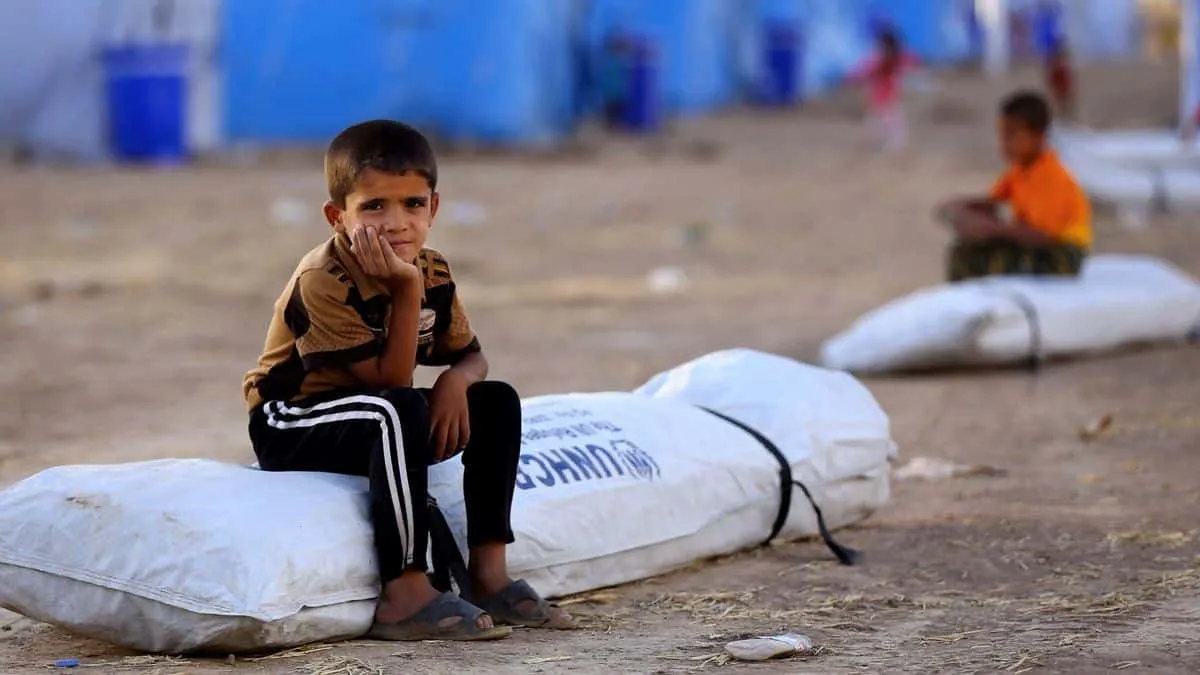
“On sait très bien que parmi les demandeurs d’asile et les réfugiés, il y a énormément de gens qui ont subi des violences extrêmes,” said Janet Cleveland, highlighting the pressing issue of mental health among refugees. Recently, Canada has imposed a limit of ten psychotherapy sessions per year for asylum seekers and refugees, raising significant concerns about their mental health support.
This decision comes at a time when many refugees, including those from conflict zones like Syria and Afghanistan, face severe psychological trauma. The situation is dire; in Greece alone, at least 5,200 unaccompanied minors live under harsh conditions while waiting for asylum processing.
That context matters because mental health care is crucial for individuals who have experienced extreme violence and upheaval. Daphnée-Sarah Ferfache expressed her frustration: “Là, on me demande de faire ça avec des patients gravement traumatisés en 10 rencontres.” This limitation raises questions about the adequacy of support provided to those who need it most.
The European Union has been grappling with similar issues. Countries like Germany and Portugal have taken steps to welcome unaccompanied children from Greek camps—47 children have already arrived in Germany and 60 are en route to Portugal. These initiatives reflect a broader commitment to human rights and healthcare access for vulnerable populations.
However, Canada’s new policy appears restrictive in comparison. Starting in January 2027, all patients will be subject to this cap on therapy sessions. Asylum seekers often deal with complex issues that require ongoing support—can ten sessions truly address their needs?
Turkey currently hosts approximately 3.4 million refugees, many of whom also require mental health services. The disparity in healthcare access across nations highlights the urgent need for comprehensive policies that prioritize the well-being of all migrants and refugees.
While ten European countries have committed to welcoming around 1,600 migrant children, Canada’s decision may hinder the healing process for those already facing immense challenges. As we look toward future developments in refugee policies, it remains crucial to advocate for adequate mental health support systems that recognize the unique traumas experienced by these individuals.
