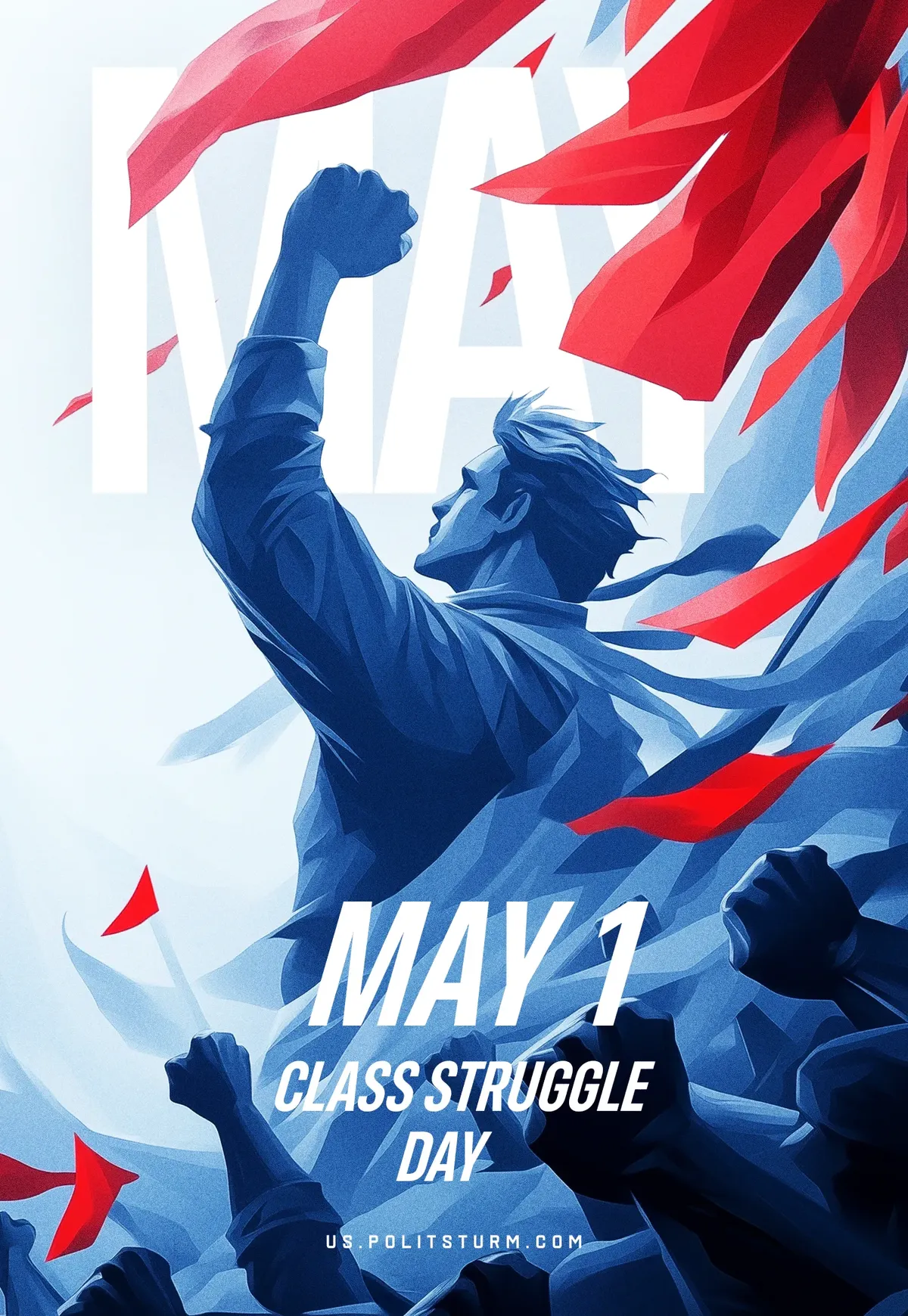
“We are living through difficult times,” declared Yunier Merino Reyes during Cuba’s May Day festivities, a poignant statement that resonates deeply amid the backdrop of intensified US sanctions and ongoing economic struggles.
On this International Workers’ Day, celebrated every May 1st, Cuban workers gathered in Havana to demonstrate their solidarity and resilience. The event featured prominent figures such as Raul Castro, now 94, and current President Miguel Diaz-Canel, who both participated in the celebrations. Their presence underscored the government’s commitment to collective action in the face of adversity.
That context matters because Cuba’s economy has faced severe strain due to a US energy blockade and sanctions targeting its government and security services. These measures have exacerbated existing economic challenges, making daily life increasingly difficult for ordinary Cubans. The situation has drawn comparisons to historical labor movements, where collective action led to significant gains, such as the establishment of the eight-hour workday—an achievement rooted in events from over a century ago.
Key facts about May Day:
- May Day is also known as International Workers’ Day.
- The eight-hour workday was fought for by workers in 1886, marking the roots of the labor movement.
- Cuban workers celebrated May Day amidst US sanctions and economic pressure.
Milagros Morales, another participant, emphasized the spirit of determination: “Today Cuba demonstrated once again that this people does not give up, and that we will defend our homeland tooth and nail, even though we want peace.” Such sentiments reflect a deep-seated commitment among Cubans to uphold their rights and fight for pay equity despite external pressures.
The ongoing US sanctions have not only impacted trade but have also stifled economic growth, leading to heightened demands for better wages and conditions among workers. The struggles faced by Cuban laborers today echo those of past generations who fought for basic rights through collective action.
The next expected development in this narrative will be how these celebrations influence ongoing discussions about labor rights and economic reform within Cuba. As the government navigates these challenges, its ability to respond effectively will be crucial for maintaining public support amidst growing discontent.
