A refugee field worker in Regina, Abdulkader Ali, was recently convicted of immigration fraud, a case that underscores significant vulnerabilities in the refugee application process. On February 17, he pleaded guilty to submitting at least 31 falsified immigration applications to Immigration, Refugees and Citizenship Canada (IRCC).
Ali’s actions have led to serious repercussions: he received a fine of $75,000 and was sentenced to two years probation along with 200 hours of community service. The investigation into his fraudulent activities began back in 2019 after a complaint from Justice Seeks, highlighting the need for more rigorous oversight in immigration practices.
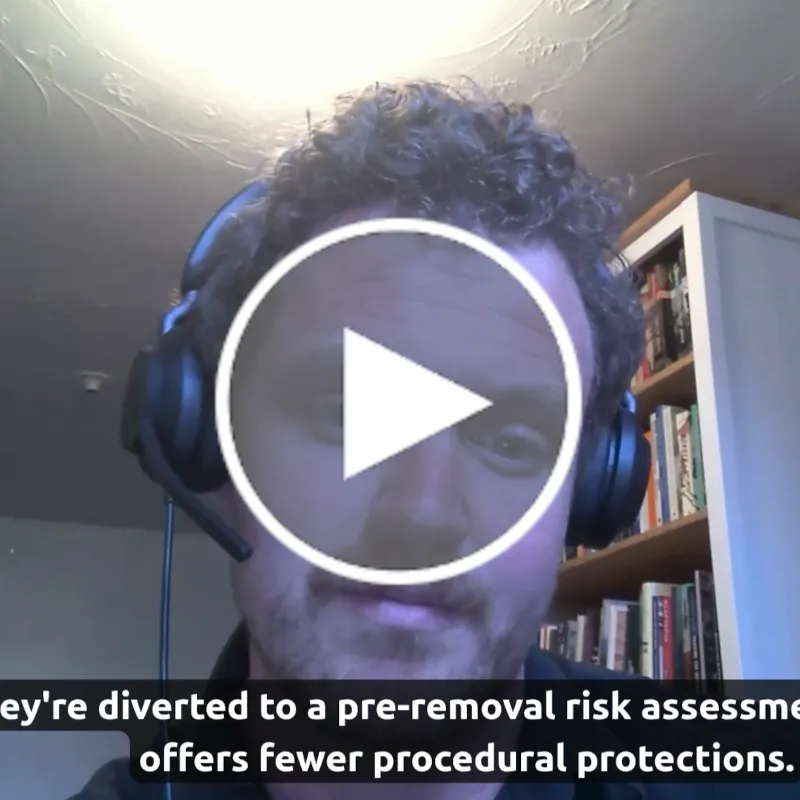
The context surrounding Ali’s conviction reveals deeper issues within Canada’s immigration system. For instance, Bill C-12 introduces new ineligibility provisions for refugee claims made more than one year after arrival in Canada. This change disproportionately affects vulnerable groups—such as LGBTQ individuals and survivors of domestic violence—who may not be able to file their claims within that timeframe. Joshua Eisen from FCJ Refugee Centre remarked, “The one-year bar disproportionately harms some of the most vulnerable claimants…”
Furthermore, the current processing times for Humanitarian and Compassionate (H&C) applications exceed ten years according to IRCC. This lengthy wait can leave applicants in limbo, unable to work or fully integrate into society while they await decisions on their future.
The implications of Ali’s conviction extend beyond individual accountability; they raise questions about the integrity of the entire refugee application process. The Canada Border Services Agency (CBSA) stated that Ali used his position for personal gain by accepting money from refugees in exchange for promises to fast-track their immigration applications. This exploitation of trust erodes confidence in the system.
Observers are now calling for reforms to ensure that H&C applications remain a meaningful tool for those who do not qualify under other streams. Eisen emphasized that if H&Cs are to remain effective, there must be revisions to the government’s Immigration Levels Plan.
As this situation unfolds, it is clear that Canada’s approach to handling refugee claims must evolve. The need for transparency and accountability is paramount—without it, the very foundation of humanitarian assistance risks being compromised.
