Introduction
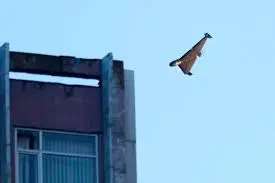
The rise of Russian drones has become a critical focal point in military and geopolitical discussions worldwide. With advancements in drone technology, Russia has significantly enhanced its capabilities in surveillance, reconnaissance, and combat operations. As tensions continue to mount in various regions, understanding the role and impact of these drones is essential for comprehending contemporary security dynamics.
Recent Events and Developments
In the recent Ukraine conflict, Russian forces have employed drones extensively to target military installations and supply lines. Reports indicate that the Russian military is using advanced UAVs (Unmanned Aerial Vehicles) to conduct surveillance operations and gather intelligence that informs both offensive and defensive strategies. According to a report from the Ukrainian Defence Ministry, drone attacks have notably increased, contributing to the challenges faced by Ukrainian forces.
Additionally, Russia’s expanding drone production capabilities have attracted international attention. Analysts from the Stockholm International Peace Research Institute (SIPRI) suggest that Russian drones are adapting features from both Western technology and indigenous innovations. The country’s strategy reportedly includes mass-producing cost-effective drones that can be deployed in swarms, overwhelming adversaries through sheer numbers.
International Reactions
The advancements in Russian drone technology have prompted various responses from NATO members and other countries concerned about the potential threat posed by these UAVs. In response to the growing drone warfare landscape, NATO has intensified its focus on drone technology and is exploring collaborative defense measures among member states. For instance, in recent joint military exercises, NATO nations have tested counter-drone systems designed to neutralise the effectiveness of enemy UAVs.
Significance for the Future
The implications of Russian drones extend beyond immediate military applications. As nations invest in drone technology, the landscape of modern warfare is evolving. The effectiveness of Russian drones may inspire other countries to enhance their UAV capabilities or develop countermeasures. Furthermore, the increasing use of drones raises ethical questions regarding warfare, surveillance, and the potential for civilian harm.
Conclusion
In conclusion, the evolution of Russian drones signifies a critical shift in military strategy and global security paradigms. As nations continue to adapt to the changing nature of warfare, understanding the capabilities and roles of UAVs will be vital for both policymakers and military strategists. While the immediate focus remains on their use in conflicts like Ukraine, the broader implications for international security warrant close attention.
