Introduction
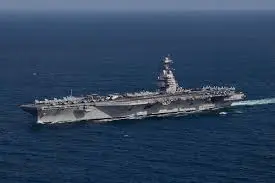
The USS Gerald R. Ford (CVN 78) represents a significant advancement in naval aviation capabilities and modern warfare. As the lead ship of her class, the USS Gerald R. Ford not only embodies the latest technological innovations but also underlines the United States’ commitment to maintaining maritime superiority. With threats from various global hotspots escalating, understanding the capabilities and importance of this aircraft carrier is crucial for both military analysts and the general public.
Design and Capabilities
Commissioned into the United States Navy in July 2017, the USS Gerald R. Ford is the largest and most advanced aircraft carrier ever built. It boasts several innovations, including the Electromagnetic Aircraft Launch System (EMALS), which allows for a more efficient launch of aircraft than traditional steam catapults. Additionally, the ship features advanced radar systems and an improved flight deck layout that enhances operations and safety.
With a displacement of approximately 100,000 tons and a crew of about 4,500 personnel, the carrier is designed to operate with a greater degree of automation to reduce workload. It can accommodate up to 75 fixed-wing and rotary-wing aircraft, including fourth and fifth-generation fighters such as the F-35 Lightning II.
Recent Developments
In recent months, the USS Gerald R. Ford has participated in multiple naval exercises, including the multinational NATO exercise Steadfast Defender 21, which emphasised joint operations interoperability with allied nations. This carrier’s presence in strategic waters has bolstered deterrence measures against adversaries, particularly in the Indo-Pacific region where tensions have heightened.
The Future of Naval Warfare
The significance of the USS Gerald R. Ford extends beyond its immediate combat capabilities. It represents a shift in naval strategies that prioritise cutting-edge technology and interoperability with unmanned systems. As military analysts anticipate future conflicts, it is evident that aircraft carriers will play a central role in power projection and joint task force operations.
Conclusion
As the USS Gerald R. Ford continues to operate within the fleet and undergo further testing and operational deployment, its impact on naval warfare strategy will be closely monitored. The advancements encapsulated in this modern carrier are likely to set standards for subsequent vessels, redefining the capabilities of naval forces worldwide. For readers interested in military developments, the evolution and role of the USS Gerald R. Ford will undoubtedly be a topic of great significance in the years to come.
