Introduction
The pension age in the UK is a topic of significant relevance as it directly impacts the financial wellbeing of millions of current and future retirees. Recent legislative changes have led to increased pension ages, raising concerns and discussions on both individual and societal levels. Understanding these changes is crucial for planning retirements and assessing the potential economic effects.
Details of the Changes
As part of the Government’s ongoing review of pension policies, several amendments to the state pension age have been proposed and implemented. By November 2023, the state pension age for both men and women is set to rise to 67. This represents a shift from the previous age of 66, which was established in 2020.
The increase is part of a phased approach aimed at addressing the rising life expectancy and ensuring the sustainability of the pension system. The Department for Work and Pensions (DWP) has indicated that this adjustment is necessary to maintain the balance between the number of contributors and the pensioners, thereby alleviating some of the financial pressures on the state pension fund.
Public Reactions and Criticism
While the Government argues that raising the pension age is essential for long-term financial stability, there has been considerable public backlash against the decision. Critics, including various advocacy groups, assert that such changes may disproportionately affect those in physically demanding jobs or individuals with less financial resilience. A recent report from Age UK highlighted the struggles of older workers who may find it challenging to remain in employment until later retirement ages.
Looking Ahead
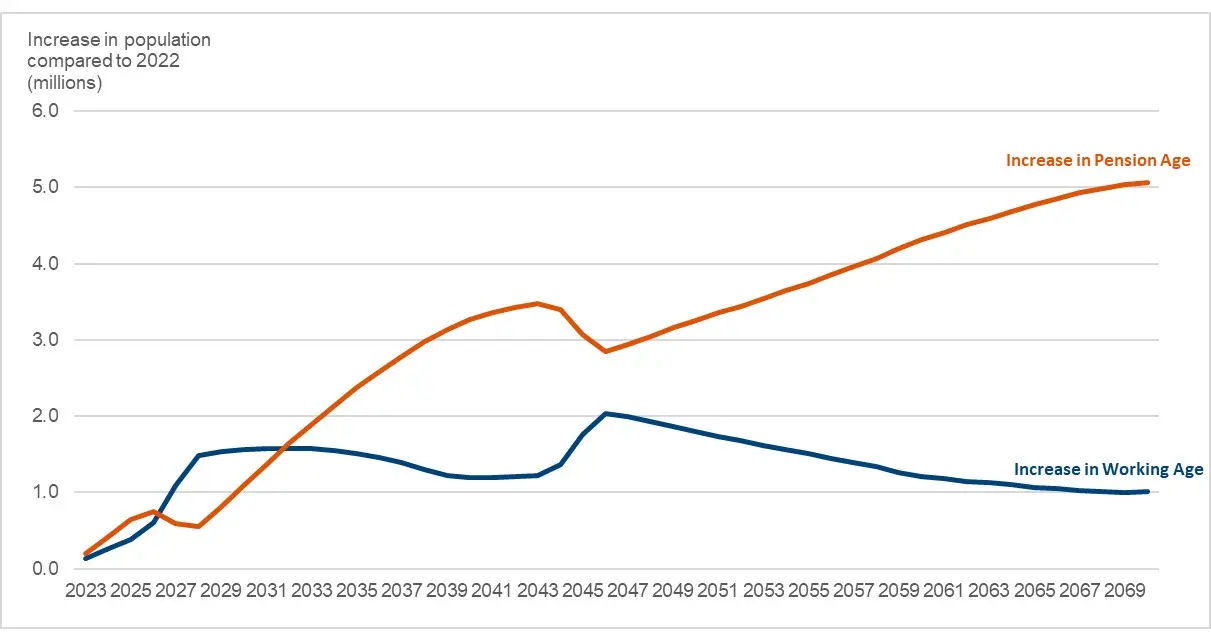
In addition to the immediate consequences for individuals approaching retirement, predictions indicate that these changes may have broader socio-economic effects. The increase in the pension age may lead to a growing percentage of older individuals remaining in the workforce, potentially impacting job availability for younger generations.
Furthermore, as the population continues to age, further adjustments to the pension system may be necessary. The DWP has committed to reviewing the pension age every five years, suggesting that future legislation could further alter retirement timelines.
Conclusion
In conclusion, the recent changes in the UK pension age are pivotal, with far-reaching implications for current and future retirees. It is essential for individuals to stay informed and proactively plan for their retirement in light of these developments. The conversations surrounding pension age changes will likely continue, shaping the landscape of retirement and employment in the UK for years to come.
