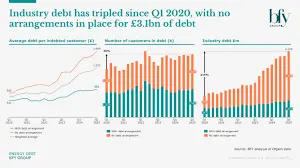
The Importance of Ofgem Energy Debt
The issue of energy debt has increasingly become a significant concern in the UK, particularly in light of rising energy prices and the economic strain brought on by recent global events. Ofgem, the regulator for the electricity and gas markets in Great Britain, has a crucial role in overseeing the energy sector and ensuring that consumers are treated fairly. As energy debt mounts, understanding its implications for both consumers and energy suppliers is vital.
Current Situation of Energy Debt
As of late 2023, reports indicate that millions of households across the UK are struggling with energy debt, exacerbated by elevated energy costs and the cost of living crisis. According to Ofgem, energy prices soared to unprecedented levels since the global energy crisis began in 2021, which has pushed many consumers into arrears on their energy bills.
Recent statistics from Ofgem reveal that approximately 4.5 million households, roughly 15% of the UK population, are currently in energy debt, with average debts exceeding £200 per household. This alarming trend poses a risk not only to consumers’ financial stability but also threatens the sustainability of energy providers, some of whom face significant financial pressure.
Impact on Consumers and Energy Suppliers
The immediate impact of increasing energy debt is substantial. For consumers, accumulating debt leads to stress, financial uncertainty, and, in some cases, disconnection from energy supplies. Meanwhile, energy suppliers are compelled to take measures to mitigate losses, which may lead to tougher consumer credit assessment procedures or higher tariffs for all customers.
Ofgem has indicated an urgent need for action, advocating for a systematic approach to support affected consumers. In response, various initiatives have been proposed, including enhancing energy voucher schemes and widening the scope of assistance funds designed to help those in difficulties.
Conclusion: The Road Ahead
The growing issue of Ofgem energy debt presents a dual challenge that requires proactive solutions and engagement from all stakeholders—consumers, energy suppliers, and the regulator itself. Moving forward, stakeholders must work collaboratively to implement effective debt management strategies and support systems to provide relief to vulnerable households. By addressing the root challenges of energy debt, there is hope for a more balanced energy market that promotes fairness and stability for all consumers.
