“This decision will allow our air and naval forces to carry out all their missions, restore our partnerships, and maintain Rafale’s attractiveness for export,” stated Catherine Vautrin, highlighting the strategic importance of the Rafale fighter jet in France’s military capabilities. The Rafale, developed by Dassault Aviation, has been a cornerstone of France’s defense strategy, and recent developments indicate a significant evolution in its operational capabilities.
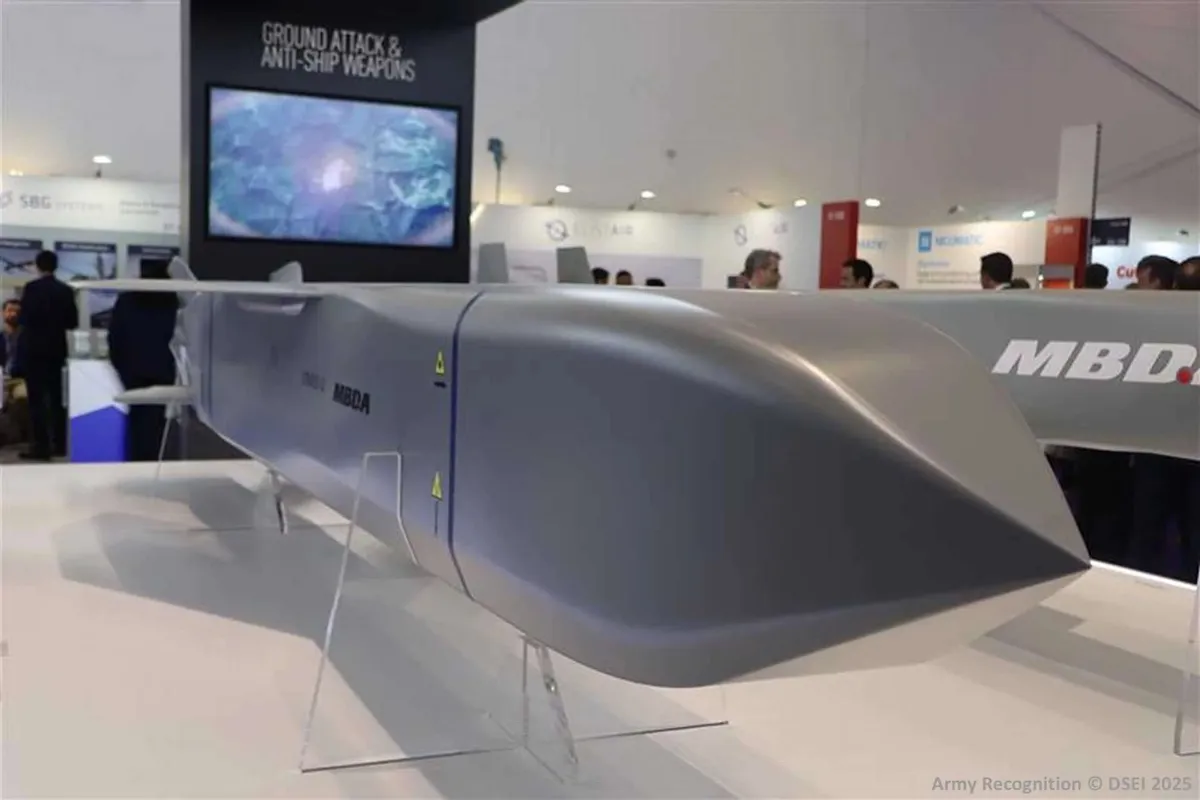
France is currently advancing the Rafale F5 variant, which is expected to enter service with the French Air and Space Force by 2030. This upgraded version will feature more powerful engines, enhanced aircraft survivability, and new types of weapons. Among the most notable additions is the STRATUS missile, a high-supersonic weapon designed for multi-role strike capabilities, including SEAD/DEAD and anti-ship warfare. The STRATUS missile represents a leap in technology, focusing on ramjet propulsion and high-supersonic speed, which are critical for modern combat scenarios.
Despite these advancements, France’s defense spending plans indicate that there will be no procurement of additional Rafale fighters beyond the target fleet of 178 by 2030. This decision reflects a broader strategic shift following the Cold War, during which France abandoned certain military capabilities, necessitating the development of new weapons systems like the STRATUS missile.
In India, the Rafale deal has faced scrutiny, particularly regarding the purchase of 36 Rafale planes for $8.7 billion. The Supreme Court of India recently ordered the government to disclose details of the Rafale jet deal within ten days, emphasizing the need for transparency. Legal expert Prashant Bhushan has called for a court-monitored Central Bureau of Investigation probe into the Rafale deals, asserting that there should be accountability in the procurement process.
Arun Shourie, another prominent figure in the ongoing discussions, remarked, “Confidentiality does not relate to price, only technical specifications,” indicating that the focus should remain on the technical aspects of the deal rather than the financial implications. This sentiment underscores the complexities surrounding military procurement and the importance of public trust in defense contracts.
The Rafale fighter jet’s capabilities are not just limited to its air-to-air combat functions. The integration of advanced munitions like the SCALP missile, which weighs 1,300 kg and measures 5.10 m in length, enhances its strike capabilities significantly. These advancements are crucial as modern warfare increasingly demands versatile and powerful platforms capable of engaging multiple threats.
As the Rafale program continues to evolve, the implications for both France and India are significant. The ongoing legal challenges in India may impact future defense collaborations and the overall perception of the Rafale deal. Meanwhile, France’s commitment to maintaining the Rafale’s competitiveness in the global market remains a priority, as indicated by Vautrin’s remarks on restoring partnerships and enhancing export attractiveness.
Looking ahead, the next expected developments will likely revolve around the outcomes of the legal proceedings in India and the continued advancements in the Rafale F5’s capabilities. Details remain unconfirmed, but the focus on transparency and accountability in defense procurement will undoubtedly shape the future of the Rafale program.
