Introduction
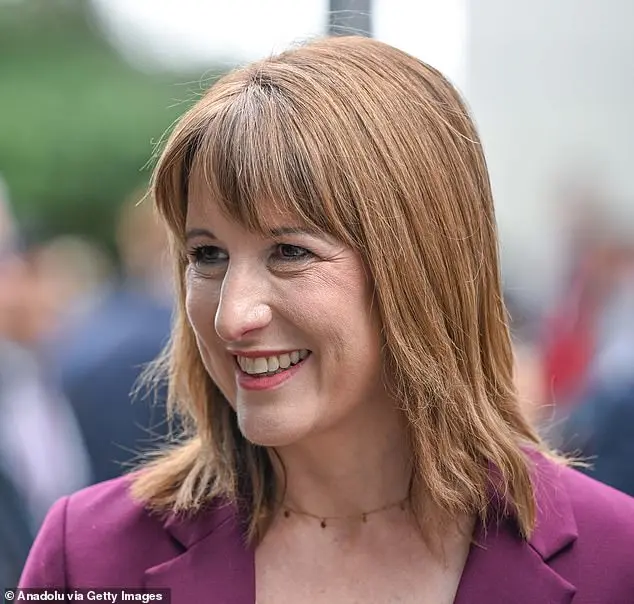
Rachel Reeves, a prominent figure in the Labour Party, currently serves as the Shadow Chancellor of the Exchequer. Her role has taken on increased significance amidst the UK’s economic challenges, making her opinions and policies crucial for understanding potential shifts in government direction. Her background in economics and finance positions her as a key player in shaping Labour’s vision for a sustainable and responsible economic future.
Career Highlights
Rachel Reeves was elected as the Member of Parliament for Leeds West in 2010. Having served in various roles within the party, she gained recognition for her analytical approach to economic policy and her commitment to social equity. In 2020, she was appointed Shadow Chancellor, where she quickly emerged as a critical voice against the Conservative government’s handling of the economy, particularly in response to the COVID-19 pandemic. Under her guidance, Labour’s economic strategy has focused on public investment, sustainable growth, and mitigating the crisis caused by rising inflation and living costs.
Recent Developments
In light of the current economic landscape, Rachel Reeves has been vocal about the need for policy reforms that address the cost-of-living crisis affecting many households. Recently, she has proposed a series of measures aimed at alleviating financial strain, including increasing taxes on the wealthiest to fund public services and support for vulnerable populations. Her proposals seek to ensure that economic recovery is both inclusive and sustainable, aligning with wider Labour goals for a fairer society.
Public Reception and Impact
Reeves’ stance on taxation and public spending has sparked debate within the political arena, drawing both praise and criticism. Analysts view her as an effective communicator who is adept at highlighting Labour’s vision in a way that resonates with voters, particularly as the party prepares for the next general election. Her ability to navigate complex economic discussions while maintaining public appeal could prove pivotal in Labour’s electoral ambitions.
Conclusion
As Rachel Reeves continues to advocate for progressive economic policies, her influence is likely to grow within both the party and the broader political landscape. With the next general election on the horizon, her role as Shadow Chancellor places her at the forefront of Labour’s efforts to regain public trust and confidence. Observers suggest that should Reeves maintain her current momentum, she could play a significant part in redefining Labour’s identity and its approach to governance in the UK.
