The numbers
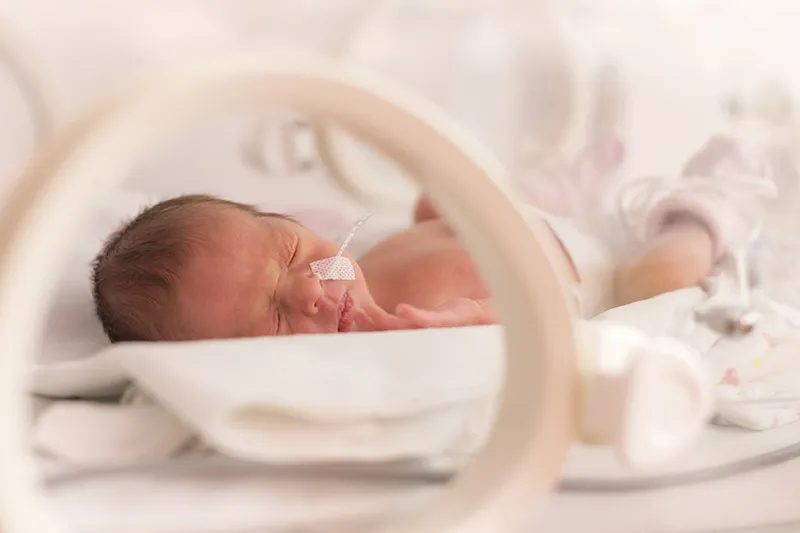
In 2018, exposure to di-2-ethylhexylphthalate (DEHP) was linked to nearly 2 million preterm births globally, highlighting a significant public health concern. This exposure also contributed to the deaths of approximately 74,000 newborns, underscoring the severe consequences of chemical exposure during pregnancy.
About 8% of the world’s total preterm births that year were attributed to DEHP exposure, with estimates suggesting that diisononyl phthalate (DiNP) may have contributed to an additional 1.88 million preterm births. The study, conducted by researchers at NYU Langone Health, estimated DEHP exposure across 200 countries and territories, revealing a widespread issue that transcends borders.
A closer look at the data shows that Africa accounted for 26% of health problems related to DEHP-linked preterm births, while the Middle East and South Asia represented a staggering 54% of estimated illnesses from this cause. These figures illustrate the disproportionate impact of chemical exposure on vulnerable populations, particularly in regions with limited healthcare resources.
Phthalates, including DEHP and DiNP, are commonly found in various consumer products such as cosmetics, detergents, and food packaging. Dr. Leonardo Trasande, a leading researcher in the field, remarked, “This is a dangerous class of chemicals,” emphasizing the urgent need for awareness and action regarding their use.
Moreover, the broader concern extends beyond individual chemicals. Dr. Donghai Liang pointed out, “The broader concern is really about phthalates as a class and focusing on one or two at a time may underestimate the overall risk.” This perspective highlights the complexity of chemical exposure and its multifaceted effects on health.
In addition to the immediate health risks, the study estimated that DEHP exposure resulted in 1.2 million years lived with disability, further illustrating the long-term consequences of preterm births linked to chemical exposure. Sara Hyman, MS, one of the researchers, stated, “By estimating how much phthalate exposure may contribute to preterm birth worldwide, our findings highlight that reducing exposure, especially in vulnerable regions, could help prevent early births and the health problems that often follow.”
Despite these alarming findings, details remain unconfirmed regarding the direct causal relationship between DEHP and DiNP and preterm births. The investigation was not designed to establish that these chemicals directly or solely cause preterm birth, leaving some uncertainty in the data. As researchers continue to explore this critical issue, the hope is that increased awareness and regulatory measures will lead to a reduction in chemical exposure and improved health outcomes for mothers and newborns alike.
