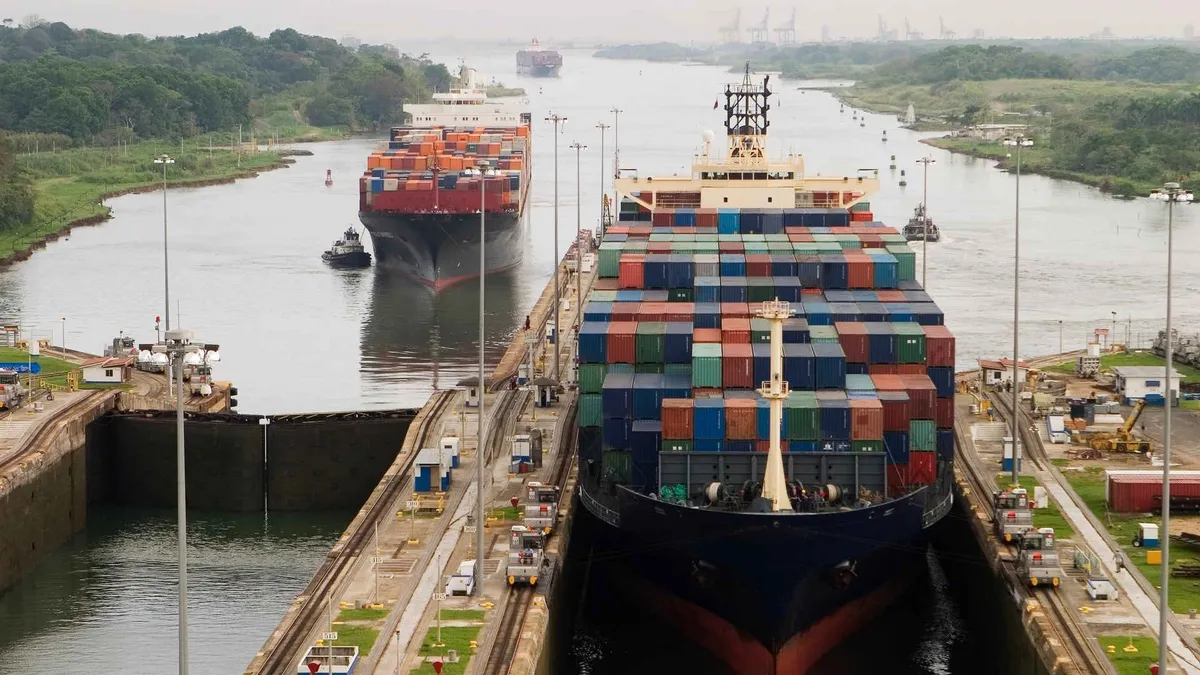
The Panama Canal is experiencing a surge in transits and passage costs due to heightened global demand and shifts in trade patterns. In January 2026, the average number of daily transits reached 34 ships, increasing to 37 ships by March.
This uptick results from various factors, including the growing need for liquefied natural gas (LNG) exports. The Panama Canal Authority reported around 300 additional vessel crossings compared to the previous fiscal year since October, reflecting changing global trade patterns.
The increase in traffic highlights how market conditions can rapidly shift. For instance, a liquefied natural gas carrier recently paid USD 4 million to bypass the queue at the canal, avoiding a wait of up to five days.
In April 2026, LNG transits through the canal totaled 12, with four laden carriers traveling west to deliver U.S. cargoes. This consistency suggests that while demand fluctuates, the reliance on this critical waterway remains strong.
This context matters because it underscores the complexities of global trade. The canal’s water is primarily designated for ship transit—40% of it—rather than human consumption. As such, decisions surrounding its usage impact both economic activities and local communities.
Concerns have arisen regarding the Río Indio Dam project, which has been studied since the 1970s as a potential water reserve for the canal. This project could displace approximately 2,543 people, raising ethical questions about neoliberal policies affecting vulnerable populations.
The Panama Canal Authority anticipates further increases in shipments moving through this vital passageway. However, officials have not confirmed whether these trends will stabilize or continue to rise.
As LNG traders note, “the arbitrage seems to be opening up,” suggesting new routes are emerging for cargoes heading to Southeast and South Asia. This pivot may reshape future shipping strategies as companies adapt to evolving demands.
