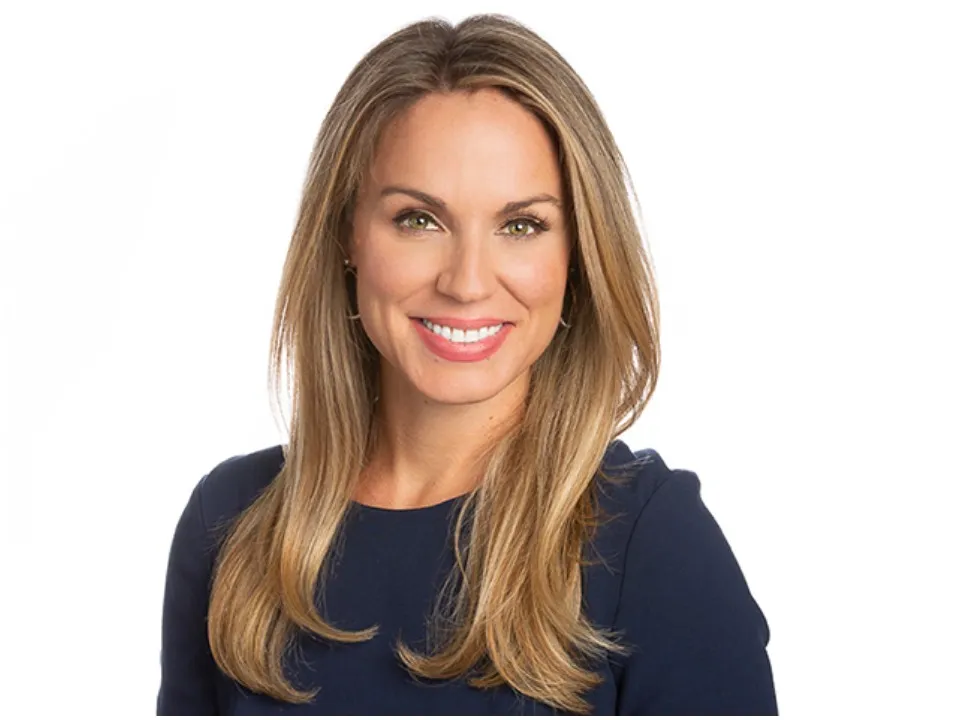
Nicole Saphier has been nominated by President Donald Trump as the next U.S. surgeon general, following the withdrawal of Casey Means. This change highlights ongoing controversies surrounding vaccine views and the medical qualifications of nominees.
Before this development, many anticipated that Casey Means would step into the role, despite facing criticism for lacking a current medical license and her views on vaccines. The expectation was that she would bring a fresh perspective to public health, particularly in light of the Trump administration’s focus on health policy during the pandemic.
However, when Means withdrew, it created a decisive moment that shifted the spotlight onto Saphier. Known for her role as a breast radiologist and Fox News contributor since 2018, Saphier is also the director of breast imaging at Memorial Sloan Kettering Cancer Center-Monmouth. Trump’s endorsement of her as a “STAR physician” underscores his strategy to appoint someone with direct clinical experience to lead health initiatives.
This nomination has immediate implications for both Saphier and public health discourse. While she has significant credentials—holding a Doctor of Medicine degree from Ross University and completing a fellowship at the Mayo Clinic—her views have sparked controversy. Saphier has expressed skepticism regarding certain vaccines, questioning the necessity of the hepatitis B vaccine for newborns and criticizing COVID vaccine booster requirements as not always being evidence-based.
That context matters because it places Saphier at the center of an ongoing debate about vaccine policy in America. Experts warn that her positions could influence public perception of vaccines and health policy more broadly. As she steps into this role, her ability to communicate complex health issues will be crucial in shaping public trust.
Donald Trump emphasized Saphier’s communication skills, stating she is an “INCREDIBLE COMMUNICATOR” who simplifies complicated health issues for Americans. However, this raises questions: Can effective communication outweigh controversial views? The answer may depend on how well she navigates these discussions while promoting public health.
As Saphier prepares to take on this pivotal role in shaping U.S. health policy, her background in breast cancer imaging positions her uniquely within a landscape increasingly focused on preventive care. Her nomination marks a significant moment in a broader conversation about medical licensing and qualifications in leadership roles.
The ramifications of this appointment will unfold over time, particularly as she addresses pressing health challenges facing the nation.
