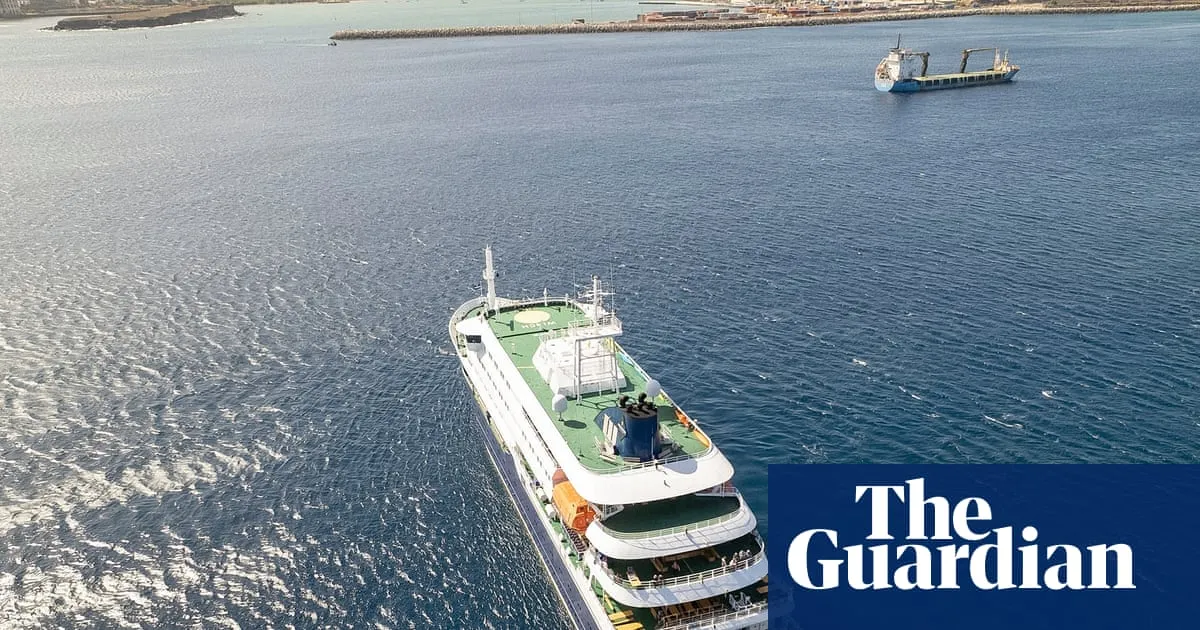
A suspected hantavirus outbreak on the MV Hondius cruise ship has led to three deaths and left several others sickened, igniting fears about the virus’s potential spread among passengers and crew. The cruise ship had embarked from Argentina, heading toward Antarctica when tragedy struck.
The first victim was a 70-year-old man who succumbed to the illness aboard the ship. Reports indicate that at least three additional individuals have fallen ill due to the outbreak. With around 150 tourists onboard and 70 crew members, this incident raises significant concerns about rodent exposure, which is known to be a primary vector for hantaviruses.
Hantaviruses are typically an environmental exposure linked to rodents. As Associate Prof Vinod Balasubramaniam stated, “Hantaviruses are typically an environmental exposure linked to rodents.” These viruses can cause severe conditions such as hantavirus pulmonary syndrome (HPS) or haemorrhagic fever with renal syndrome (HFRS). The World Health Organization (WHO) is currently investigating this outbreak alongside South Africa’s Department of Health.
Symptoms of hantavirus pulmonary syndrome usually manifest between one to eight weeks after contact with infected rodents. Dr. Sonja Bartolome noted, “Early in the illness, you really may not be able to tell the difference between hantavirus and having the flu.” This ambiguity can complicate early diagnosis and response efforts.
The potential for serious outcomes is alarming; hantavirus pulmonary syndrome can be fatal in nearly 40 percent of infected individuals. The outbreak’s severity emphasizes the need for heightened awareness regarding rodent exposure, especially in environments like cruise ships where close quarters can facilitate transmission.
Despite the rarity of hantavirus infections—often misdiagnosed as other illnesses—there are at least 38 recognized species globally, with 24 capable of causing disease in humans. While human-to-human transmission remains rare, studies have documented it in specific strains like the Andes strain in South America.
As detailed investigations continue, including further laboratory testing and epidemiological investigations, it’s crucial that passengers and crew remain vigilant. Understanding how these infections occur can help mitigate future risks associated with cruise ship outbreaks.
Officials have not disclosed specific timelines for when detailed results will be available. However, health authorities emphasize that early medical attention can significantly increase survival chances for those affected by hantavirus infections.
