Introduction
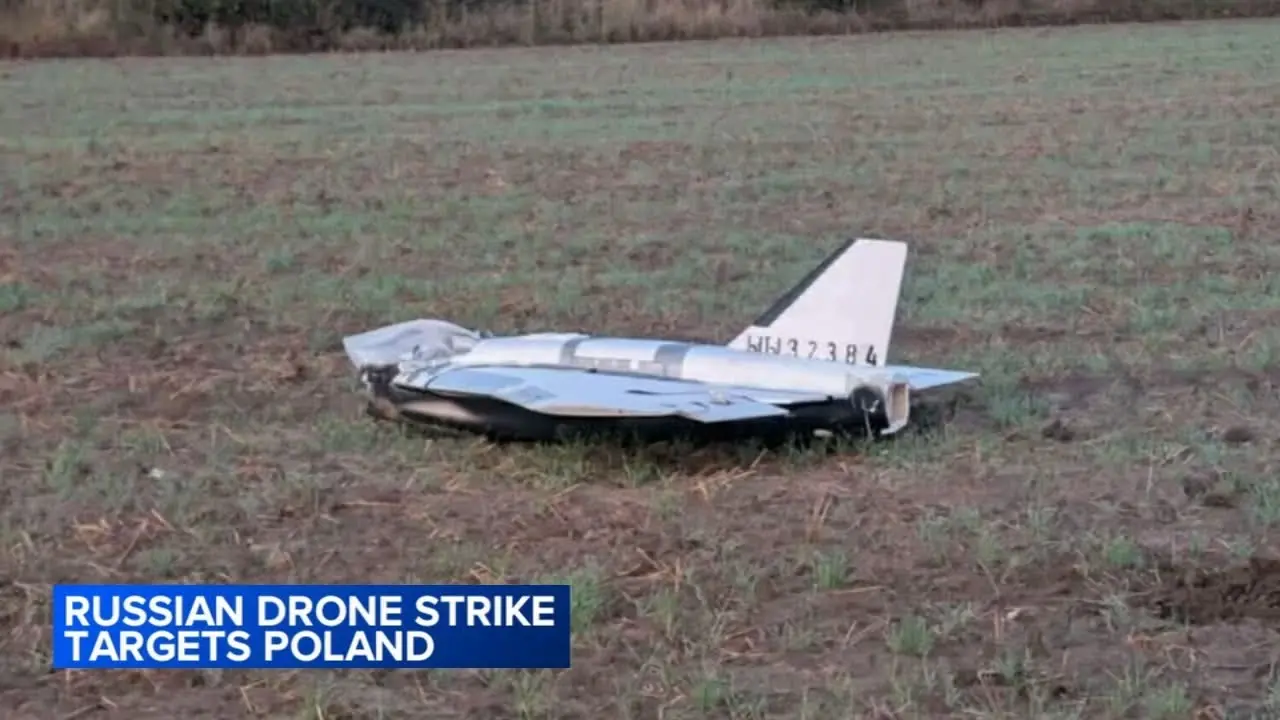
The recent deployment of Russian drones detected near Polish airspace has raised significant alarms within NATO, emphasizing the alliance’s commitment to collective security. This development occurs against the backdrop of escalating tensions between NATO countries and Russia, particularly following the ongoing conflict in Ukraine. The implications of these drone activities not only affect Poland but also resonate across the entire Eastern European region, necessitating urgent dialogue among NATO member states.
Details of the Situation
Reports from the Polish military indicate that several reconnaissance drones have been spotted near the border with Belarus, a close ally of Moscow. These incidents come at a time when NATO has bolstered its military presence in Eastern Europe, responding to perceived threats from Russia. In light of these events, Poland’s Defence Minister Mariusz Błaszczak confirmed that the country is enhancing its air defence systems to counter drone incursions effectively.
NATO Secretary-General Jens Stoltenberg addressed the situation in a recent press conference, reaffirming the alliance’s commitment to defend all member states, including Poland. He emphasized the need for increased awareness and readiness, stating, “NATO will continue to strengthen its deterrence and defence posture in response to any threats against its allies.”
In addition to military preparations, NATO officials are advocating for improved intelligence-sharing amongst member nations to better monitor aerial movements and enhance overall security. The alliance is also considering joint exercises that would focus specifically on counter-drone tactics, reflecting the changing nature of modern warfare.
Conclusion
The ongoing threat of Russian drone operations near Poland underscores the importance of NATO’s collective defence strategy. As tensions between Russia and Western nations escalate, NATO’s proactive measures in air defence and intelligence-sharing will be crucial in deterring potential aggressions. Observers note that the situation serves as a pivotal moment for the alliance, potentially reshaping defence policies and strategies in the face of evolving military technologies. The significance of these developments extends beyond Poland, signalling to adversaries and allies alike that NATO remains united and vigilant.
