Introduction
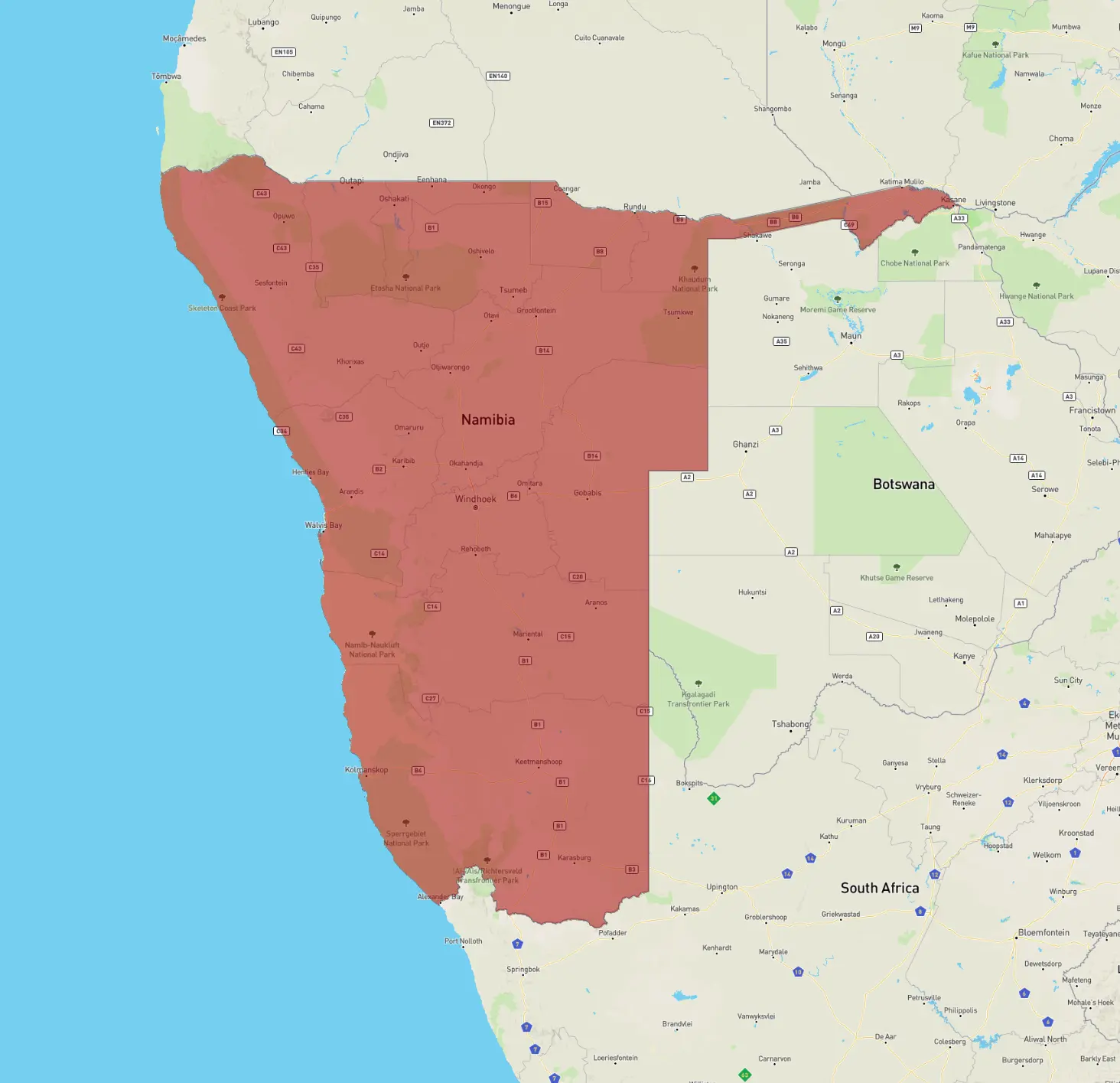
Namibia, located in southern Africa, is a nation renowned for its stunning landscapes, diverse wildlife, and rich cultural heritage. With vast deserts, unique rock formations, and a coastline that meets the Atlantic Ocean, Namibia has become a hotspot for tourists and environmental enthusiasts. The significance of Namibia lies not only in its natural beauty but also in its ongoing efforts towards conservation and sustainable tourism, which reflect a growing global appreciation for environmental preservation.
Geographical and Cultural Richness
The country is home to a variety of ecosystems, from the arid Namib Desert to the lush wetlands of the Zambezi region. One of the most famous landmarks, the Sossusvlei, features massive sand dunes that are some of the tallest in the world. Additionally, Damaraland and the Fish River Canyon showcase Namibia’s geological diversity. This rich landscape provides a habitat for abundant wildlife including elephants, lions, and the endemic black rhino.
Culturally, Namibia is a melting pot of different ethnic groups, predominantly including the Himba, Ovambo, and Herero people. Each group contributes to the country’s vibrant traditions, colourful attire, and intricate crafts. This diversity adds depth to the travel experience, making it not only about exploring nature but also participating in cultural exchanges.
Conservation Efforts and Tourism
Namibia is pioneering in its approach to conservation, being the first African nation to incorporate the protection of the environment into its constitution. The establishment of communal conservancies has encouraged local communities to engage in wildlife conservation, and as a result, populations of endangered species have started to recover. Eco-tourism is increasingly popular, with many visitors seeking to experience the majestic sights while supporting local conservation efforts.
In 2023, Namibia expects a surge in tourism as international travel restrictions ease and global awareness about sustainable travel grows. The country is investing in infrastructure to accommodate visitors while ensuring that the natural beauty and wildlife are preserved.
Conclusion
As Namibia continues to attract attention on the global stage, it remains crucial for tourists to respect the environment and local cultures. The balance of experiencing the country’s breathtaking landscapes and contributing to its conservation will determine the future of Namibia as a top travel destination. For those seeking adventure, wildlife, and cultural immersion, Namibia indeed promises an unforgettable journey.
