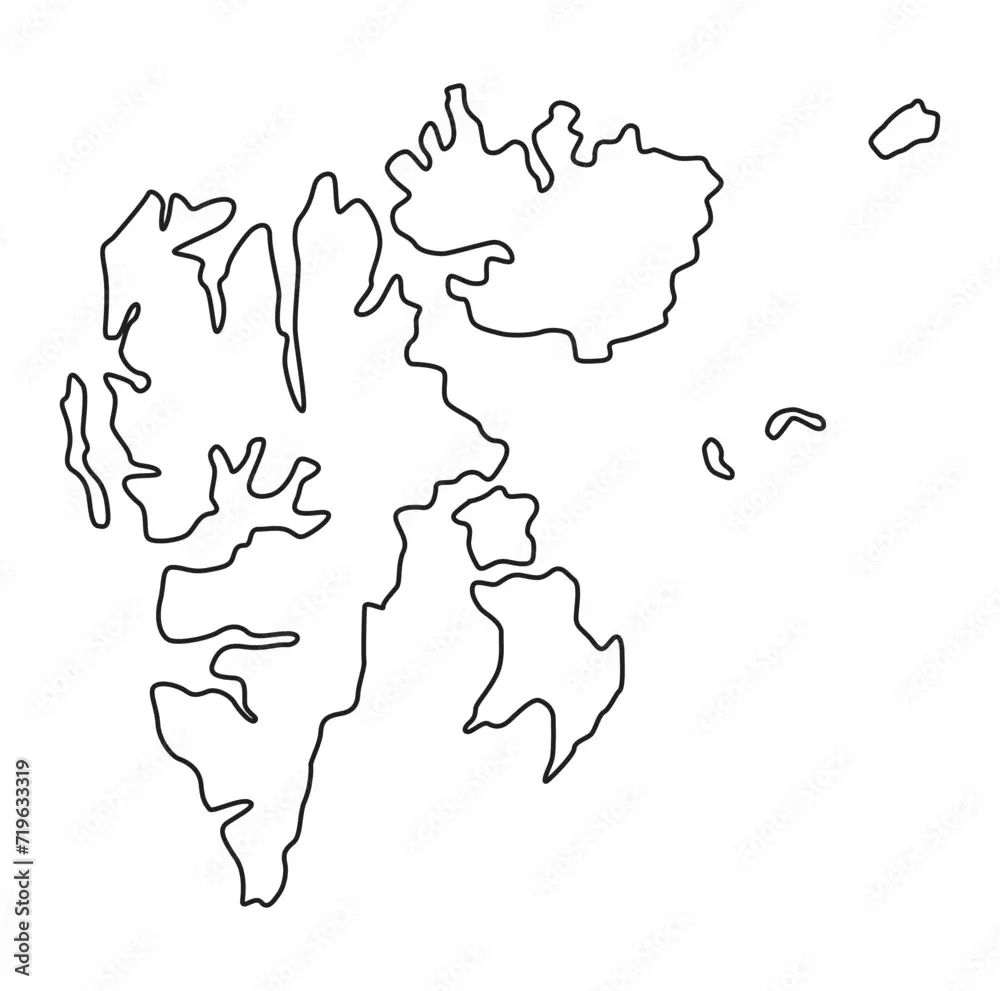
Introduction to Svalbard
Svalbard, an archipelago located in the Arctic Ocean, is becoming an increasingly important destination for adventurers, researchers, and those interested in climate change. Positioned midway between mainland Norway and the North Pole, Svalbard offers a unique combination of breathtaking landscapes, rich wildlife, and a peculiar geopolitical status, making it a focal point for discussions related to environmental science and global governance.
Geographical and Geological Significance
Covering 61,022 square kilometres, Svalbard consists of several islands, with Spitsbergen being the largest. The archipelago’s rugged terrain includes glaciers, mountains, and vast tundras that provide ideal habitats for polar bears, arctic foxes, and walruses. This fragile ecosystem serves as a crucial indicator of climate change, attracting researchers keen on studying the effects of global warming.
Human Presence and Economic Activities
Established as a mining settlement in the early 20th century, Svalbard’s population now stands at around 2,500, primarily residing in Longyearbyen, the administrative centre. The economy largely depends on coal mining, tourism, and research activities. Recently, there has been a notable rise in eco-tourism, providing opportunities for visitors to explore the stunning landscapes through dog sledding, snowmobiling, and hiking, while promoting conservation efforts.
Environmental Challenges and Conservation Efforts
However, Svalbard faces significant environmental challenges due to climate change. Rising temperatures have led to a retreating ice cap and melting permafrost, which pose risks to its delicate ecosystem. Local and international authorities have increasingly emphasised the need for conservation measures to protect wildlife and manage sustainable tourism.
Conclusion and Future Outlook
The importance of Svalbard extends beyond its natural beauty; it acts as a living laboratory for climate research and a reminder of the impact of human activity on the environment. As the Arctic continues to undergo dramatic changes, Svalbard will likely play a critical role in global discussions about climate action, environmental stewardship, and international cooperation. For travellers, the allure of Svalbard lies not only in its scenic views but also in its profound significance as a barometer of the Earth’s changing climate.
