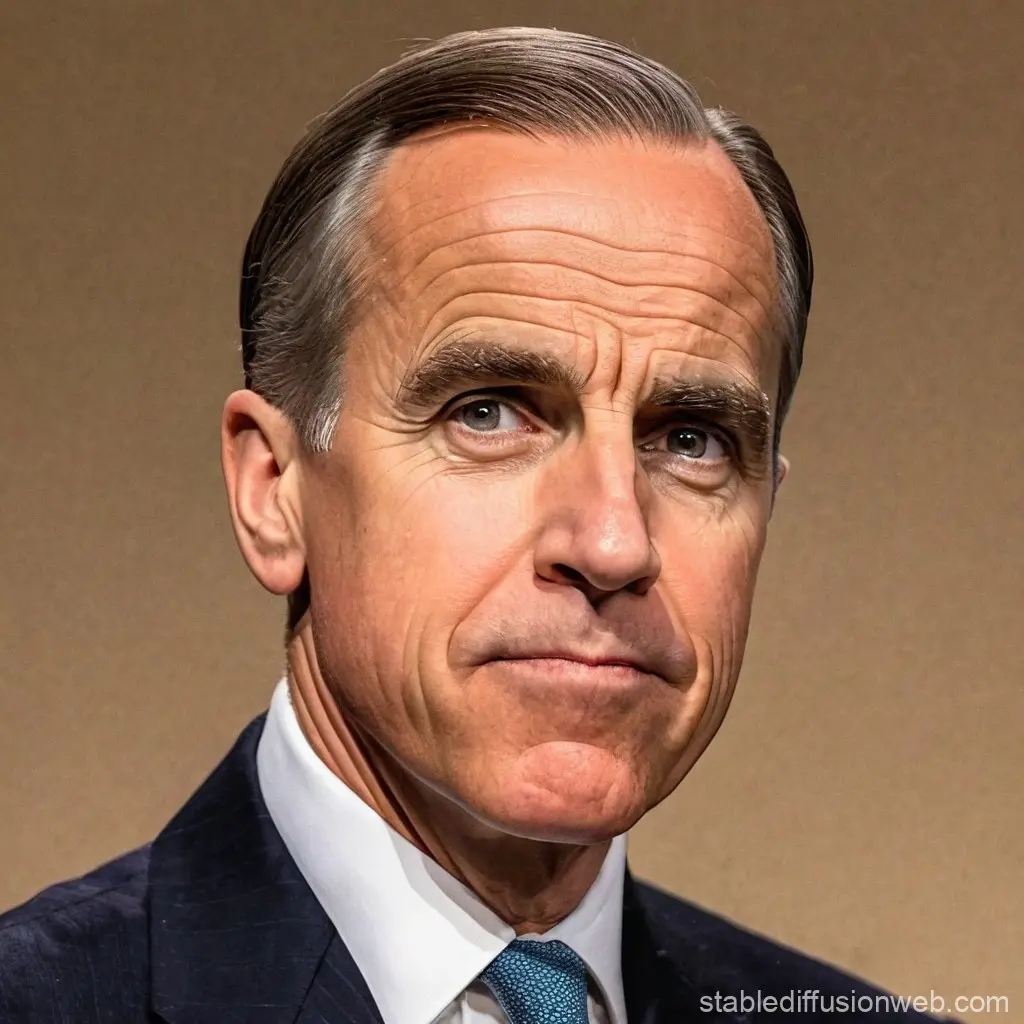
Introduction
Mark Carney, former Governor of the Bank of England and the Bank of Canada, is a prominent figure in the realms of finance and climate change. His robust career spans over two decades, making considerable contributions to monetary policy, regulation, and sustainable finance. As the world grapples with economic uncertainty and environmental challenges, Carney’s insights and leadership have become increasingly relevant.
Career Path and Achievements
Beginning his career in 1988 at the Bank of Canada, Carney quickly established himself as a key player in global finance. Following a successful tenure as the central bank’s Governor from 2008 to 2013, he moved to the UK, where he served as the Governor of the Bank of England from 2013 to 2020. During his tenure, Carney navigated the institution through the aftermath of the financial crisis and Brexit, implementing policies to stabilise the economy.
In addition to monetary policy, Carney has been a vocal advocate for addressing climate change. In 2015, he highlighted the financial risks posed by environmental issues and formed the Task Force on Climate-related Financial Disclosures (TCFD), which encourages companies to disclose climate-related financial risks transparently.
Current Initiatives and Future Directions
Currently, Mark Carney serves as the United Nations Special Envoy on Climate Action and Finance. He continues to push the agenda for aligning financial systems with climate goals, recently advocating for a transition to net-zero emissions by 2050. Carney’s work has inspired various initiatives, including the Glasgow Financial Alliance for Net Zero (GFANZ), which unites financial institutions committed to combating climate change.
As the global community faces mounting pressures from climate change and economic instability, Carney’s expertise is invaluable. His work emphasizes the integration of sustainability into financial decision-making, ensuring that climate risks are acknowledged and addressed by both private and public sectors.
Conclusion
Mark Carney’s journey through the worlds of finance and environmental advocacy offers a template for future leaders in these fields. As finance increasingly intertwines with global sustainability efforts, Carney’s impact is expected to shape policies and practices for years to come. Recognising the links between economic stability and climate resilience will be crucial for policymakers and business leaders alike as they navigate the complexities of the 21st century.
