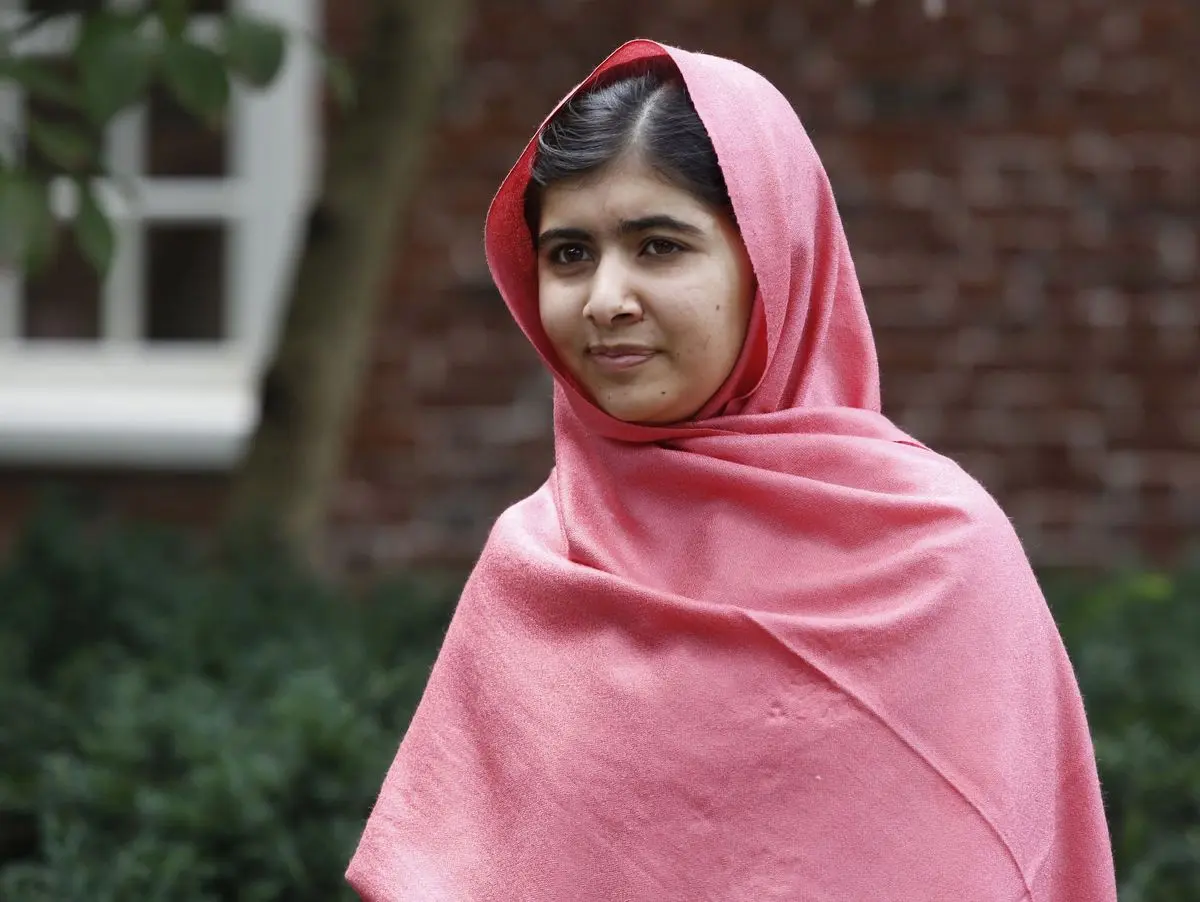
The Importance of Malala Yousafzai
Malala Yousafzai, a name synonymous with bravery and advocacy, has become a global symbol of the fight for education. Her quest began in the Swat Valley of Pakistan, where she defied the Taliban’s ban on girls’ schooling. Her story transcends borders and resonates with the ongoing struggles for educational rights, making her relevance more pronounced than ever, particularly as discussions surrounding gender equality gather momentum worldwide.
The Journey of Advocacy
Malala gained international fame after surviving an assassination attempt in 2012 at the age of 15. Despite this harrowing experience, she emerged with a renewed commitment to her cause. In 2014, she was awarded the Nobel Peace Prize at the tender age of 17, becoming the youngest laureate in history. This accolade not only highlighted her achievements but also underscored the alarming global educational disparities that persist today.
Since her Nobel recognition, Malala has continued her activism through the Malala Fund, which advocates for girls’ education and empowers communities to provide access to school. In recent years, she has focused her attention on Afghanistan, where the humanitarian crisis has severely curtailed education opportunities for girls following the Taliban’s return to power in August 2021.
Current Developments
In September 2023, Malala addressed the United Nations General Assembly, underscoring the importance of educational equity in light of the current global crises. She asserted that access to education is not merely a privilege, but a fundamental human right. The worsening situation for Afghan girls, where education remains largely out of reach, was highlighted as a call to action for the international community.
Malala’s efforts have inspired countless individuals and organisations to rally for educational reform. Furthermore, her recent collaborations with various global leaders signal a united front aimed at addressing these issues and providing sustainable solutions.
Conclusion: The Future of Education Advocacy
Malala’s journey exemplifies the power of individual action in the face of adversity. As she continues to traverse borders to advocate for education, her influence is likely to shape policies and perceptions regarding girls’ access to learning opportunities globally. The significance of her work, particularly in light of recent events, cannot be overstated. It serves as a reminder that everyone has a role in supporting educational equity and challenging injustices wherever they may occur.
