Introduction
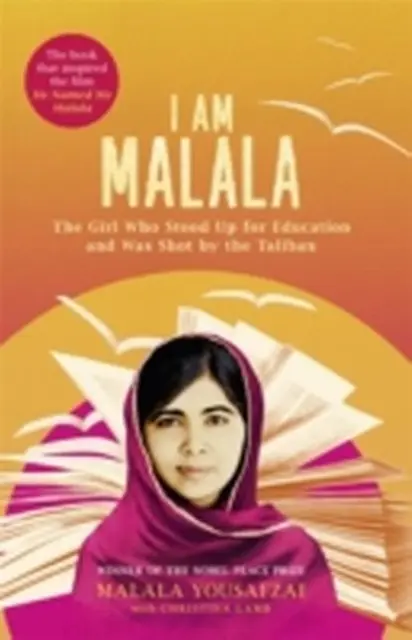
Malala Yousafzai is an internationally recognised advocate for girls’ education and women’s rights. Her journey from a schoolgirl in Pakistan’s Swat Valley to a Nobel Peace Prize laureate exemplifies the struggle for education in the face of adversity. The importance of her activism resonates globally, especially in regions where girls are still denied basic educational opportunities.
Background and Activism
Born on July 12, 1997, in Mingora, Pakistan, Malala’s passion for education was ignited at an early age, influenced by her father, Ziauddin Yousafzai, who was a school owner and educational activist. In 2009, at just 11 years old, she began writing a blog under a pseudonym for the BBC Urdu, detailing life under Taliban rule and advocating for her right to education.
Her outspoken stance put her life in danger, and in October 2012, she survived an assassination attempt by a Taliban gunman. Following her remarkable recovery, Malala’s platform expanded exponentially. She founded the Malala Fund, an organisation that champions girls’ education globally, advocating for the millions of girls who are still out of school.
Recent Developments
In recent months, Malala has continued to make headlines by addressing critical global issues such as the impact of the COVID-19 pandemic on education and the plight of Afghan girls post-Taliban takeover. In her advocacy, she stresses the urgency of supporting educational initiatives and initiatives that empower women and girls across the world.
In 2023, Malala participated in various international forums, including the United Nations General Assembly, where she urged world leaders to commit to providing education for all. Her powerful speeches have highlighted the need for immediate action and funding aimed at increasing access to education for girls, particularly in developing nations.
Conclusion
Malala Yousafzai’s influence cannot be overstated, as she represents not only the fight for girls’ education but also the resilience of youth against oppression. Her journey reminds us that education is not just a privilege but a fundamental right that should be accessible to all, regardless of gender. As educational disparities continue to persist globally, Malala’s work remains as essential as ever. Looking ahead, her ongoing efforts and advocacy will likely inspire future generations of activists fighting for equality and rights worldwide.
