Introduction
Macedonia, officially known as North Macedonia, is a landlocked country in the Balkan Peninsula, rich in history and cultural diversity. After gaining independence from the former Yugoslavia in 1991, it has become an intriguing destination for tourists and historians alike. The importance of Macedonia lies not just in its scenic landscapes, but also in its deep-rooted contributions to the cultural tapestry of Europe.
The Historical Significance
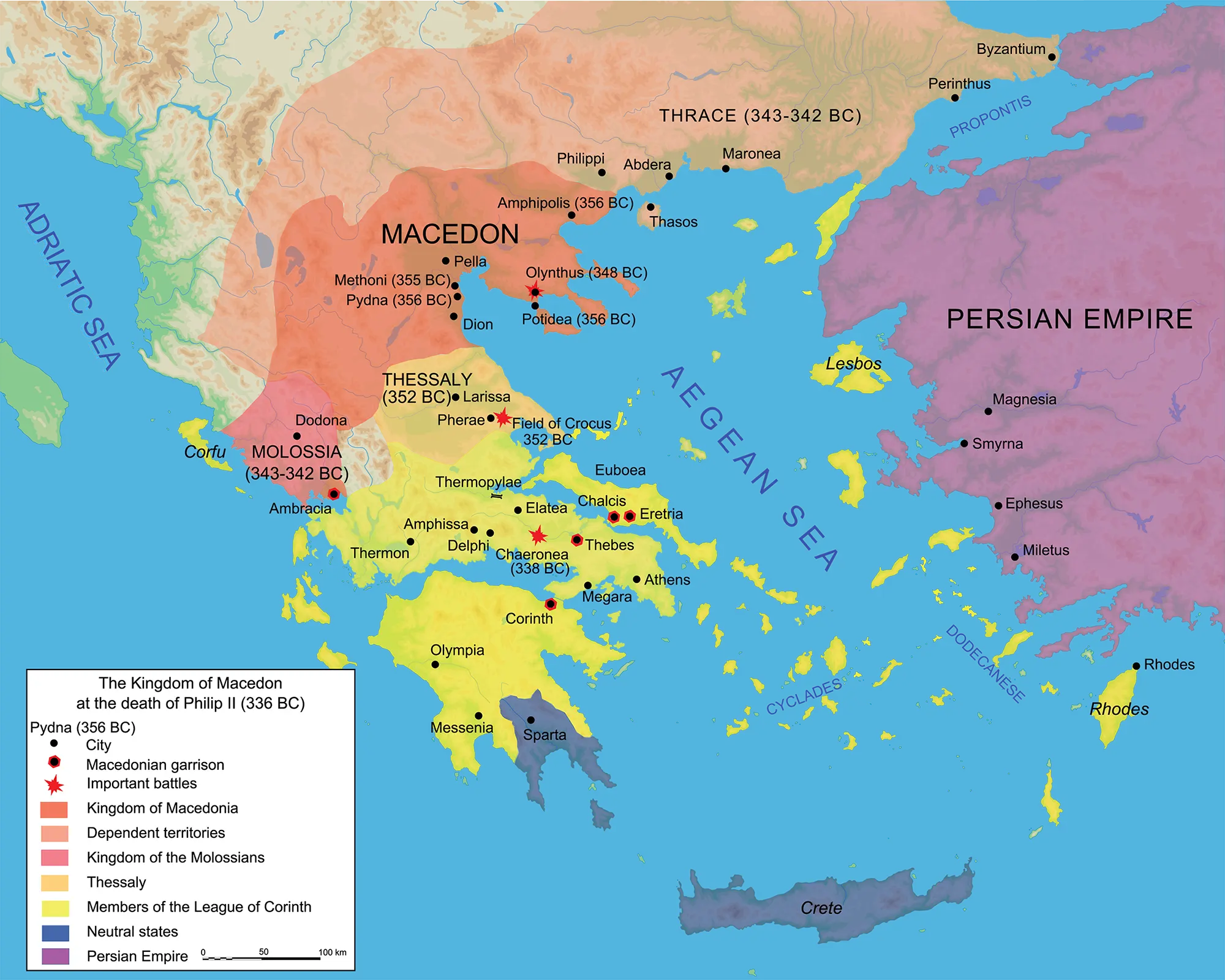
The history of Macedonia can be traced back to its ancient roots, prominently featuring as the birthplace of Alexander the Great. The region has been influenced by various civilisations, including the Romans and Byzantines, establishing it as a melting pot of cultures over centuries. Recent archaeological discoveries continue to shed light on its past, with sites like the ancient city of Heraclea Lyncestis attracting attention from historians.
Modern Developments
Today, North Macedonia is working towards further establishing its identity on the global stage. In 2020, the country officially became a member of NATO, marking a significant step in its geopolitical journey. Moreover, its application to join the European Union is a current focus, aiming to enhance economic growth and stability.
The capital, Skopje, combines traditional architecture with modern influences, housing various monuments that celebrate its heritage. The iconic Skopje Fortress and the celebrated Mother Teresa Memorial House are must-visit sites for anyone exploring the city.
Culture and Tourism
Macedonia’s rich folklore, traditional music, and diverse cuisine reflect its cultural heritage. Festivals, such as the Ohrid Summer Festival, attract international artists, showcasing the country’s vibrant arts scene. Furthermore, Lake Ohrid, one of Europe’s oldest and deepest lakes, is a UNESCO World Heritage site, drawing nature enthusiasts and historians alike.
Conclusion
As North Macedonia moves forward, it continues to embrace its complex history while looking toward the future. The nation’s endeavours to integrate with larger European structures signify its commitment to growth and unity. For readers, understanding Macedonia’s journey can provide insights into the broader narrative of the Balkans and its global significance. The blend of history, culture, and modern aspirations makes Macedonia a compelling destination for exploration and study.
