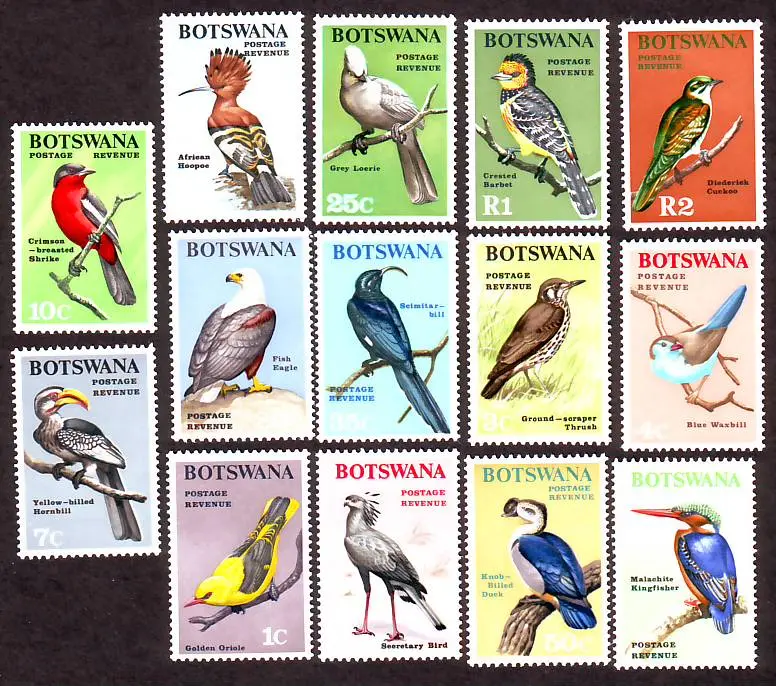
The Importance of Botswana
Botswana, a landlocked nation located in Southern Africa, is often celebrated for its rich natural beauty, incredible wildlife, and stable economy. As one of Africa’s success stories, Botswana stands out not only for its stunning landscapes—including the vast Kalahari Desert and the lush Okavango Delta—but also for its progressive governance and commitment to conservation. Understanding Botswana’s significance is crucial as it navigates the challenges of modernisation while preserving its cultural and ecological heritage.
Current Economic Developments
In recent years, Botswana has seen a steady growth rate, with a GDP estimated at 5% in 2022, rebounding from the economic impacts of the COVID-19 pandemic. The government’s focus on diversifying its economy beyond diamond mining—historically its mainstay—has led to increased investments in tourism, manufacturing, and technology sectors. Significant projects are underway, such as the development of infrastructure to support the tourism industry, recognised as a key economic driver. Additionally, Botswana’s stable political environment is attractive to foreign investors, further boosting its economic prospects.
Conservation and Wildlife Tourism
Botswana is a front-runner in wildlife conservation. The government has set aside nearly 40% of its land for national parks and reserves, providing sanctuaries for a variety of species, including elephants, lions, and diverse birdlife. The country’s ecotourism model promotes sustainable practices, enticing visitors to experience unique wildlife encounters while contributing to conservation efforts and local communities. Recently, Botswana hosted the 2023 African Wildlife Economy Conference, showcasing its commitment to the conservation economy and its role in regional leadership.
Cultural Heritage and Social Progress
Beyond its natural wonders, Botswana boasts a rich cultural heritage. The predominant ethnic group, the Tswana, alongside various other communities, contributes to a vibrant cultural tapestry marked by traditional music, dance, and art. Education and healthcare improvements have made strides in recent years, with the government prioritising human capital development. Yet challenges remain, including disparities in resource distribution between urban and rural areas.
Conclusion: A Bright Future Ahead
As Botswana continues to leverage its natural assets and cultural strengths, the future looks promising. With prudent economic policies and a focus on sustainability, Botswana not only aims to maintain its status as a beacon of stability and development in Africa but also hopes to inspire other nations. For travellers, investors, and conservationists alike, Botswana represents a land of opportunity where nature and progress coexist harmoniously.
