Introduction
Martin Luther King Jr. was a pivotal figure in the American civil rights movement, renowned for his advocacy of nonviolence and equality. His dedication to social justice, racial equality, and civil rights has left an indelible impact not only on the United States but around the world. As we commemorate his contributions, it is important to reflect on his life, the challenges he faced, and the relevance of his message in today’s society.
Historical Context
Born on January 15, 1929, in Atlanta, Georgia, King emerged as a leader during a time when racial segregation was deeply entrenched in American society. He rose to prominence in 1955 after leading the Montgomery Bus Boycott, a strategic protest against the segregation of public transport in Montgomery, Alabama. King’s philosophy of nonviolent resistance drew inspiration from Mahatma Gandhi, and he became the face of the Southern Christian Leadership Conference (SCLC) which sought to harness the moral authority of the church in the fight for civil rights.
Key Events and Speeches
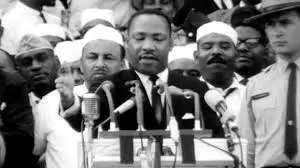
King’s influence grew throughout the 1960s as he led numerous protests and marches advocating for civil rights. One of the most significant events was the March on Washington for Jobs and Freedom in 1963, where he delivered his famous “I Have a Dream” speech. This speech continues to resonate today, encapsulating the hopes of millions for equality and justice. King’s address not only highlighted the struggles faced by African Americans but also articulated a vision for a racially integrated and harmonious America.
Continuing Relevance
The principles championed by King remain crucial in contemporary discussions about race, equality, and justice. His call for peaceful protest and civil disobedience against unjust laws continues to inspire activists globally. Following the events surrounding the Black Lives Matter movement, King’s teachings advocate for dialogue, understanding, and systemic change against racial injustice and inequality.
Conclusion
Martin Luther King Jr.’s legacy is far-reaching and continues to influence social movements today. As we celebrate his life and work, it is vital to reflect on how his ideals can guide current and future generations in the pursuit of equality and justice. Understanding and embracing King’s vision can contribute to creating a more just society, reminding us that while the journey toward equality is ongoing, the principles of nonviolence and cooperation remain as relevant today as they were during his lifetime.
