Introduction
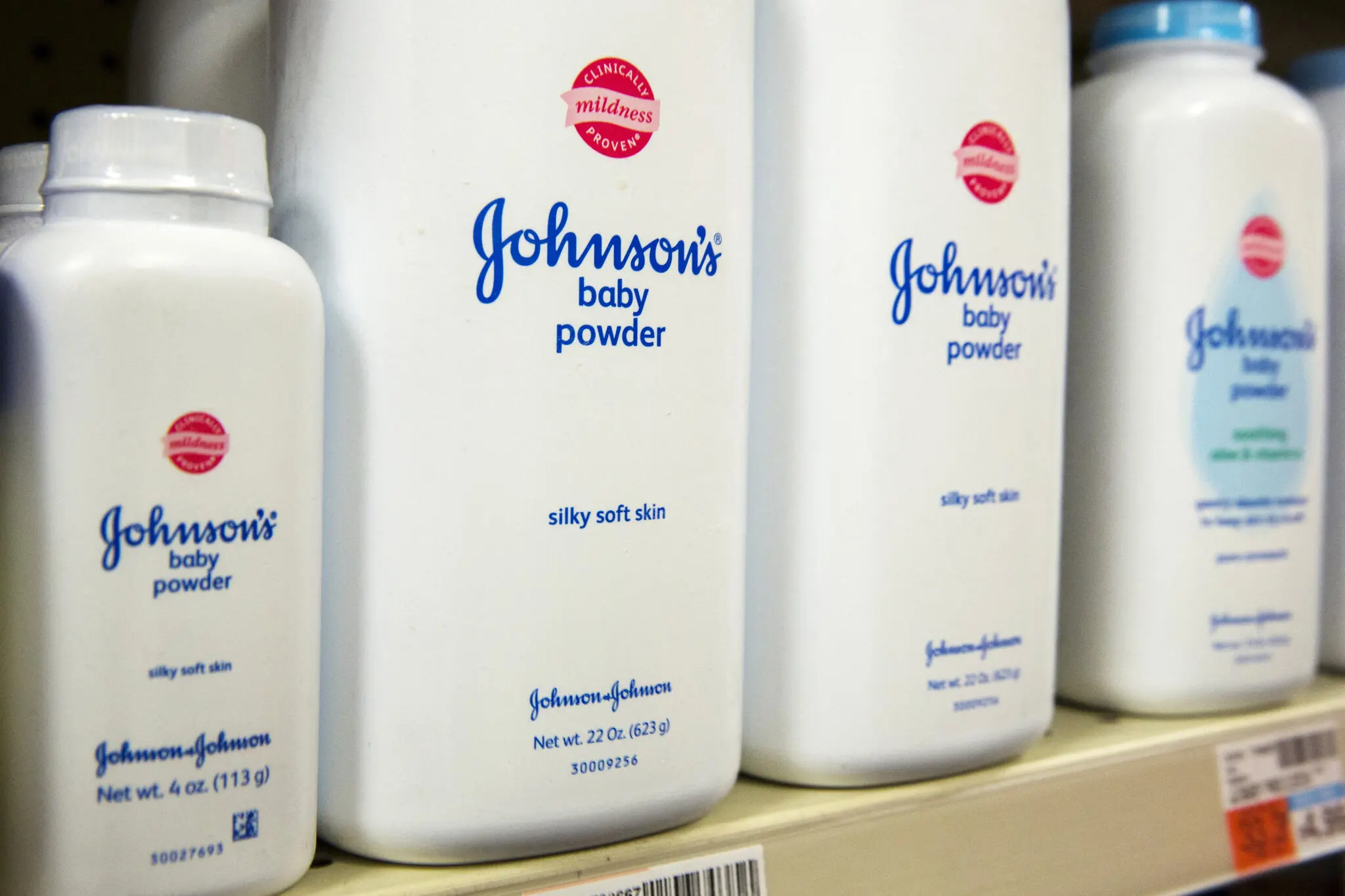
The Johnson talcum powder lawsuit has garnered significant media attention and public concern as it highlights issues surrounding consumer safety and corporate accountability. Many users claim that talcum powder products from Johnson & Johnson have been linked to serious health issues, particularly ovarian cancer. As legal battles continue, the implications of these cases pose important questions for consumers and the company alike.
Background of the Lawsuits
Johnson & Johnson has faced thousands of lawsuits from consumers who allege that long-term use of its talcum powder products has led to the development of ovarian cancer. The company has consistently denied these allegations, stating that extensive research has demonstrated the safety of its talc-based products. However, the situation escalated in recent years after several court rulings favoured plaintiffs, awarding them substantial damages.
Recent Developments
In October 2023, Johnson & Johnson announced that it would be transitioning to a cornstarch-based formulation for its iconic baby powder, a move intended to address safety concerns and respond to the ongoing litigation. While the company maintains that it has not made any admissions of liability, this decision reflects the growing pressure from consumers and health advocates.
Additionally, a high-profile case concluded in September 2023, where the jury awarded $4.7 billion to a group of plaintiffs who claimed their cancers were linked to the use of Johnson’s talcum powder over many years. This ruling reignited discussions about the accountability of large corporations in prioritising consumer safety.
Consumer Implications
The ongoing legal disputes and findings surrounding the Johnson talcum powder lawsuit serve as a significant reminder for consumers. As talcum powder remains a staple in many households, the cases highlight the importance of informed choices regarding personal care products. Consumers are encouraged to remain vigilant and consider non-talc alternatives, especially those concerned about health risks.
Conclusion
The Johnson talcum powder lawsuit saga continues to evolve, with potential ramifications for consumer safety and corporate practices. Legal experts suggest that these cases may lead to stricter regulations on the cosmetics and personal care industries and foster a more informed public. As consumers, understanding the implications of these lawsuits can guide purchasing decisions and promote a heightened awareness of product safety in the market.
