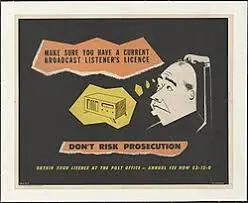
The Importance of a TV Licence
A TV licence is a legal requirement for watching live television and accessing BBC iPlayer in the United Kingdom. This system, established under the Broadcasting Act 1990, ensures that the BBC can fund its programmes without relying on commercial advertising. With the rise of streaming services, public understanding of the TV licence has become increasingly relevant, as compliance impacts national broadcasting funding and regulation.
Who Needs a TV Licence?
According to the latest regulations, any household or business in the UK that watches or records live television broadcasts or uses the BBC iPlayer service is required to have a TV licence. This applies to all devices, including televisions, computers, tablets, and smartphones. As of 2023, the annual fee for a standard TV licence is £159, but exemptions exist, such as for those aged over 75 or individuals residing in care homes.
Key Changes and Updates
In recent months, there have been significant discussions surrounding the future of the TV licence fee model. In 2022, the government announced a review to evaluate its sustainability amid declining television viewer numbers and the increasing popularity of streaming services like Netflix and Amazon Prime. Furthermore, there have been calls for potential reforms, including lighter penalties for non-compliance and alternative funding models for the BBC.
Enforcement and Penalties
TV Licensing, the body responsible for managing the licence fee system, employs various measures to ensure compliance, including fines of up to £1,000 for non-payment. They also conduct investigations and issue letters encouraging individuals suspected of not holding a licence to comply. The BBC’s commitment to impartial news coverage partly hinges on this funding, making enforcement critical to its operational integrity.
The Future of TV Licence in the UK
Looking ahead, the future of the TV licence fee faces scrutiny as viewing habits evolve. With the increasing decentralisation of media consumption, debates surrounding alternative funding methods—such as subscriptions or a paid service model—are expected to intensify. Public consultation and government dialogues will play pivotal roles in shaping a new framework that balances funding needs with consumer interests.
Conclusion
The TV licence remains a crucial aspect of broadcasting law in the UK, shaping the landscape of public media funding. As discussions around reform gain momentum, viewers are encouraged to stay informed about their obligations and any forthcoming changes. Understanding the implications of a TV licence can help foster a stronger relationship between the BBC and its audience, ensuring continued investment in quality programming and impartial journalism.
