“The Strait of Hormuz is not an oil chokepoint; it is the aortic valve of globalised production,”
Since the onset of hostilities, daily traffic through the strait has plummeted by approximately 95 percent. Before the war, around 138 vessels traversed this vital route each day, but now, only a fraction of that number is able to pass. The Iranian government has recently agreed to allow 20 Pakistani-flagged vessels to transit the strait, a move that reflects its attempts to manage the crisis while asserting its authority over this crucial waterway.
As the situation unfolds, Iran’s parliament is taking steps to legalize a toll collection arrangement for vessels passing through the strait, charging $2 million per ship. This decision has drawn criticism, with maritime experts like Sal Mercogliano stating, “They’re running it like a toll booth.” The tolls are a means for Iran to generate revenue amidst the ongoing conflict, but they also highlight the precarious balance of power in the region.
Iran has demanded formal international recognition of its authority over the Strait of Hormuz as a condition for ending the war. This demand underscores the geopolitical stakes involved, as the strait is a critical artery for oil exports, with Iran managing to maintain an average of 1.6 million barrels of crude oil exported daily from March 1 to March 23, despite the conflict.
The war has resulted in significant casualties, with estimates suggesting around 2,000 Iranians and 1,100 individuals in Lebanon have lost their lives due to the ongoing violence. Furthermore, approximately 2,000 vessels are stranded on either side of the Strait of Hormuz, caught in the crossfire of this international crisis.
What observers say
Alaeddin Boroujerdi remarked, “In other words, after 47 years, there is a new, de facto sovereign regime in the Strait of Hormuz.” This statement reflects the shifting dynamics in the region, as Iran seeks to solidify its control over the strait amidst international scrutiny and military pressure.
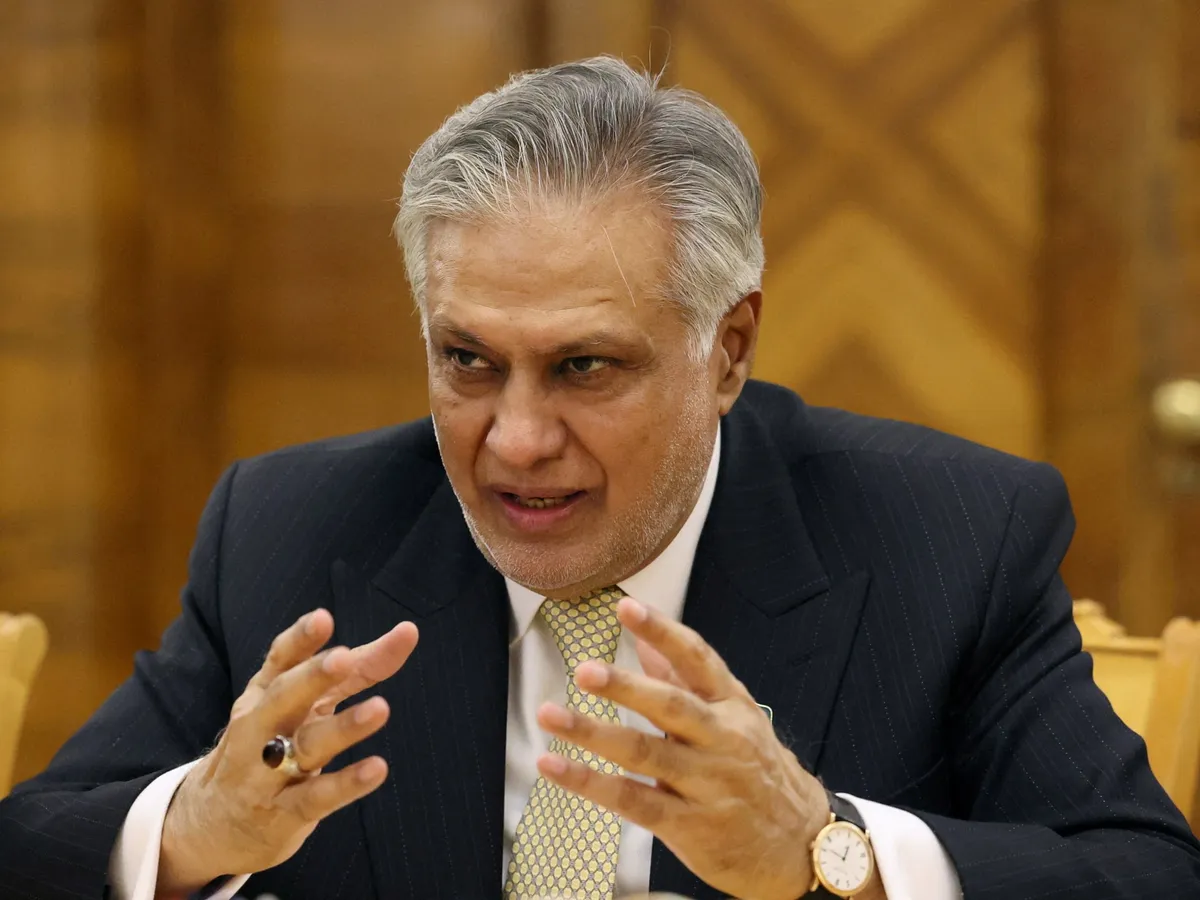
As the conflict continues, the international community watches closely, with countries like Pakistan expressing willingness to mediate. “If the parties desire, Islamabad is always willing to host talks,”
The situation in the Strait of Hormuz remains fluid, and the implications of the Iran War extend far beyond regional borders, affecting global trade and energy markets. As stakeholders navigate this complex landscape, the future of this critical maritime route hangs in the balance.
