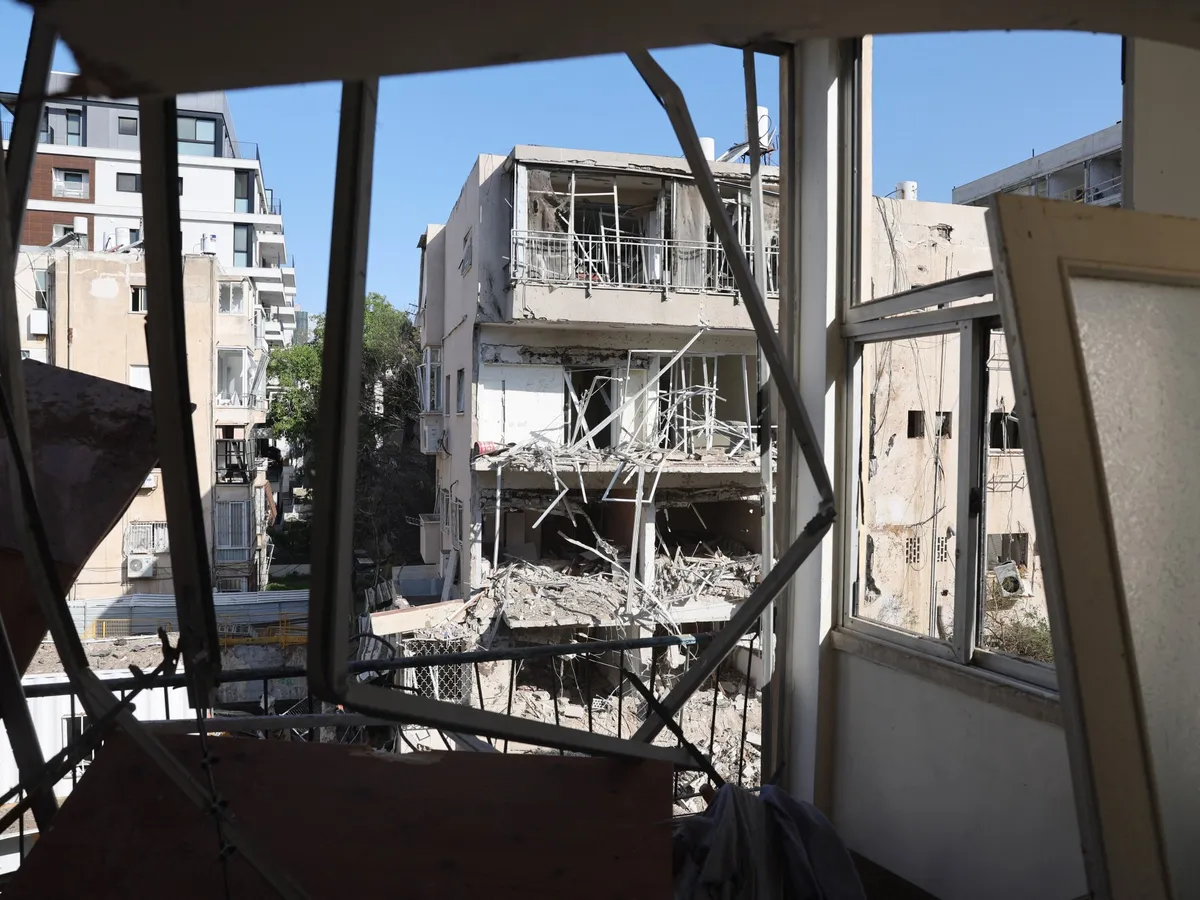
In a significant escalation of tensions, Iran has launched missiles targeting Israel, causing damage and injuries in Tel Aviv. This attack marks a critical moment in the ongoing conflict, showcasing Iran’s missile capabilities despite military pressure from the United States and Israel.
Before the war, Iran was estimated to possess between 2,500 and 6,000 missiles, with the ability to reach distances of up to 2,400 miles (4,000 km). Israeli Prime Minister Benjamin Netanyahu has stated that Iran has the capacity to strike deep into Europe, highlighting the potential threat posed by Iran’s missile arsenal.
Despite the ongoing military actions against its missile production facilities, Iran’s missile production remains on track, albeit at a reduced capacity of about 40 missiles per month, down from 300 at the start of the war. Israeli officials have described Iran’s missile and drone capabilities as “massively degraded,” yet the full extent of Iran’s military capabilities remains uncertain.
Experts suggest that while Iran may be exaggerating its missile-making capabilities, it still poses a significant threat. William Alberque remarked that the claims from Iran could be seen as “pointless bravado,” yet the possibility of their capabilities cannot be dismissed entirely.
Iran’s missile production facilities have been targeted and damaged by U.S. and Israeli forces, raising questions about the effectiveness of Iran’s ability to rebuild its missile capacity. The exact size of Iran’s missile stockpile before the war is unknown, and ongoing assessments are being conducted to determine the extent of their missile capabilities.
In the broader context, Iran’s military capabilities are not fully understood following the war, and experts continue to evaluate the implications of Iran’s missile threats. The threat to tourist sites outside the region is considered very low by experts, but the situation remains fluid.
As the situation develops, reactions from various stakeholders are being closely monitored. The international community, particularly European countries and regional allies such as Saudi Arabia, Kuwait, Bahrain, Qatar, and the United Arab Emirates, are likely to respond to these developments with heightened concern.
Details remain unconfirmed regarding the full impact of the missile strikes and the current state of Iran’s missile production capabilities. The evolving nature of this conflict underscores the importance of continued vigilance and diplomatic engagement in the region.
