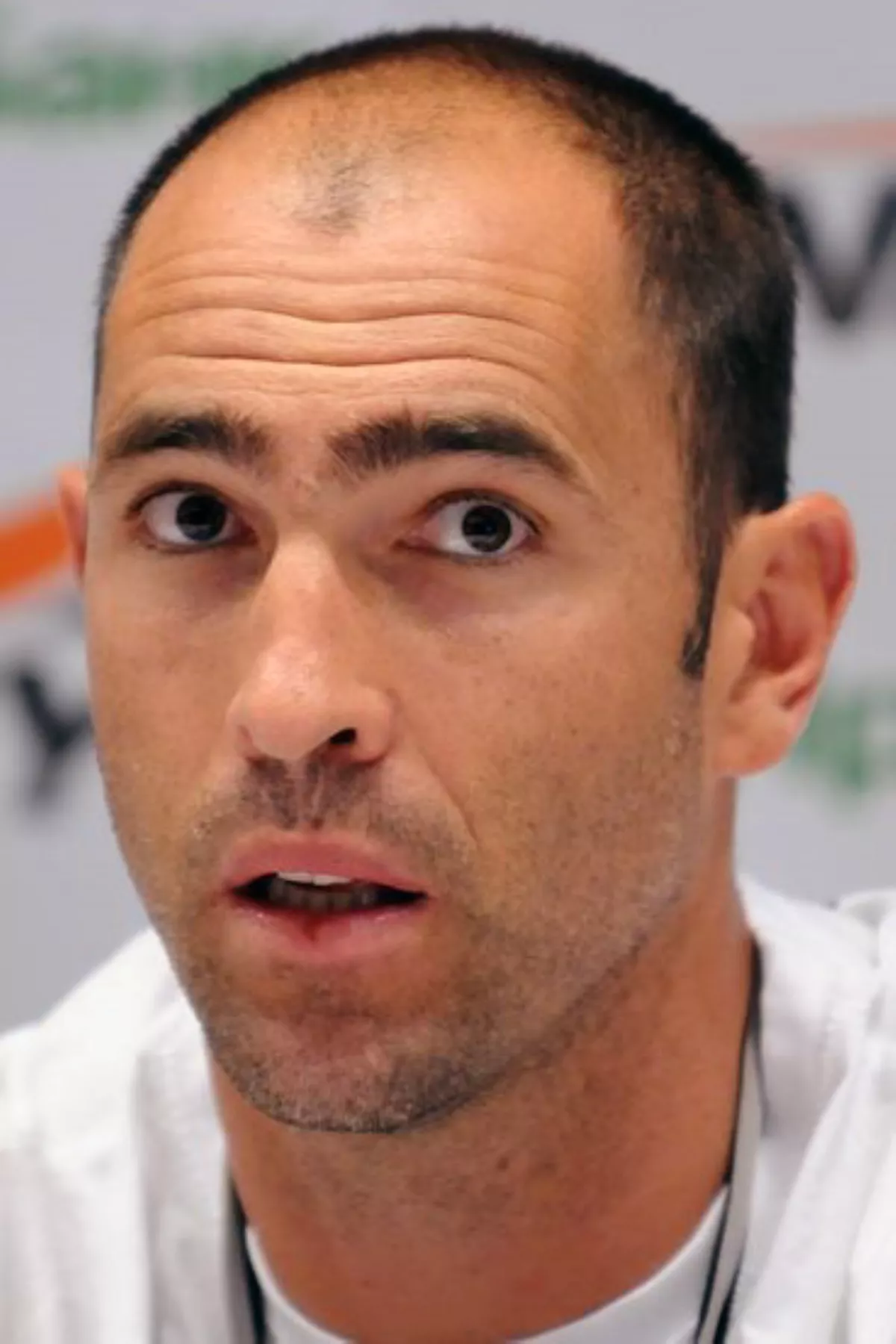
Introduction: The Significance of Igor Tudor
Igor Tudor, a former Croatian footballer, has emerged as one of the most promising young managers in football. His tactical acumen, player development skills, and leadership have attracted attention from clubs across Europe. In recent years, Tudor has demonstrated his capabilities by revitalising teams and pushing them towards success on the pitch, making him a significant figure in contemporary football management.
The Rise of Igor Tudor
Tudor began his managerial career after retirement as a player, initially taking over at Hajduk Split in 2016. His tackling style and focus on youth development quickly gained him recognition. However, it was his tenure with Hellas Verona starting in 2021 that truly put him in the spotlight. Tudor led Hellas Verona to impressive performances, guiding the team to a 9th-place finish in Serie A, their best performance in years.
Impact at Marseille
In July 2022, Tudor took the managerial position at Olympique de Marseille. Under his guidance, the team adopted a more aggressive and dynamic playing style, which benefited players and galvanised fan support. His strategic decisions, such as deploying a high-pressing system and an emphasis on wing play, resulted in remarkable victories against traditional rivals, showcasing his skill in making tactical changes that paid dividends.
Playing Philosophy and Future Prospects
Tudor’s coaching philosophy revolves around aggressive pressing and quick transitions, which resonates well in modern football. His focus on building team camaraderie and analysing opposition tactics has paved the way for next-generation talent to flourish. As clubs continue to look for innovative thinkers in management, Tudor’s future seems bright, with speculation surrounding opportunities in elite leagues across Europe.
Conclusion: The Future of Igor Tudor
As football evolves, Igor Tudor stands at the forefront of innovative management with his strategic insight and adaptable tactics. His success has not only made an impression in club football but also highlights the importance of nurturing emerging managers capable of reshaping the game. Football enthusiasts and pundits alike will be keen to observe Tudor’s next moves, as he could soon be a central figure in shaping the future of high-level football management.
