Introduction
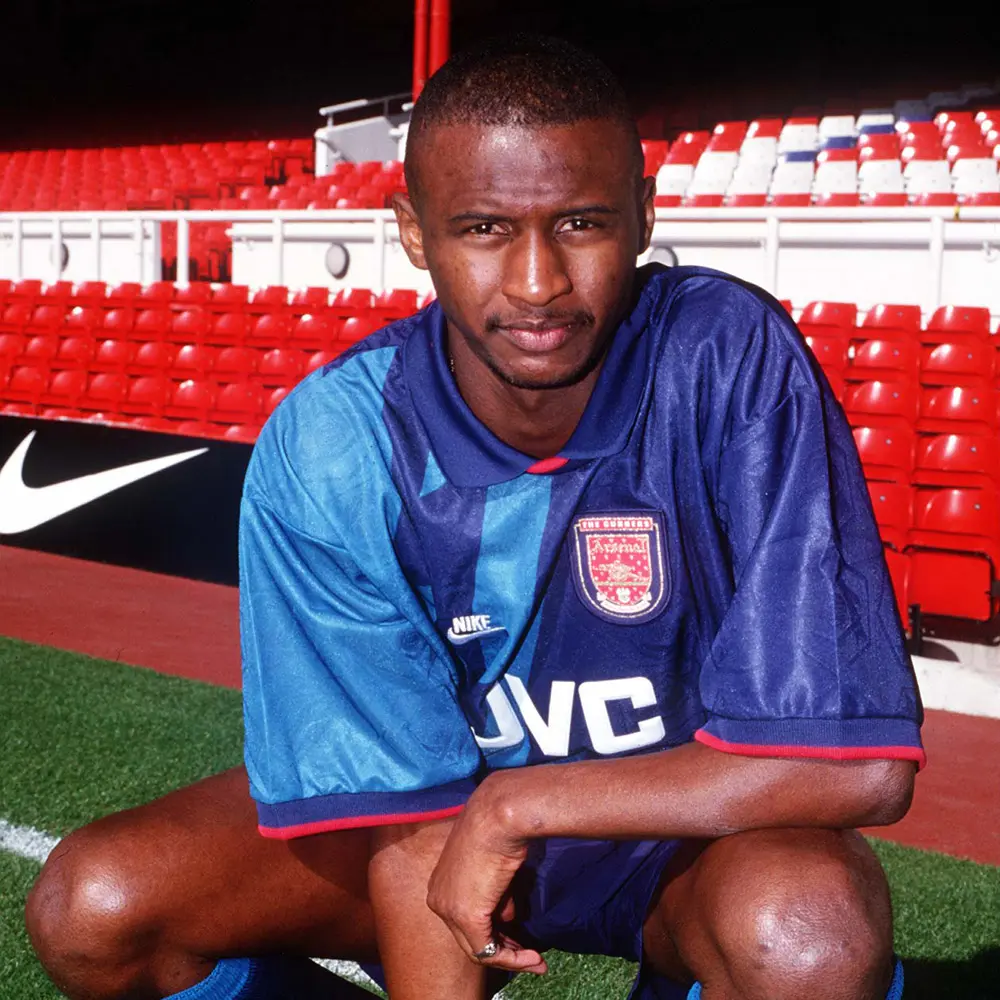
Patrick Vieira, a name synonymous with football excellence, has made significant contributions as both a player and a manager. His influence extends far beyond the pitch, making him a prominent figure in football history. As we explore Vieira’s remarkable journey, we highlight his achievements, unique leadership qualities, and his ongoing impact in the football community.
Player Career Highlights
Born on June 23, 1976, in Dakar, Senegal, Vieira moved to France at a young age, where he began his football career. He joined the prestigious AFC Ajax before moving to AC Milan, where he struggled for playing time. However, it was his time at Arsenal that defined him as a player. Under manager Arsène Wenger, Vieira became a cornerstone of the ‘Invincibles’ squad that went unbeaten in the Premier League during the 2003-2004 season. During his tenure at Arsenal from 1996 to 2005, he made over 400 appearances and won three Premier League titles and five FA Cups.
International Success
Vieira also shone on the international stage. He represented the French national team, earning 107 caps and playing a pivotal role in France’s triumph at the 1998 FIFA World Cup and the UEFA Euro 2000. His physical presence, tactical understanding, and leadership on the field were critical to the team’s success.
Transition to Management
Following his retirement in 2011, Vieira pursued a career in management, initially taking up a role as a football development executive at Manchester City. He later managed New York City FC in Major League Soccer, where he honed his skills further. As of 2021, Vieira took the reins at Crystal Palace in the Premier League, where he has continued to demonstrate his tactical acumen and leadership skills. His management style incorporates the lessons learned from his own playing career, focusing on team cohesion and attacking football.
Recognition and Influence
Patrick Vieira is widely regarded as one of the greatest midfielders of his generation. His charisma and professionalism have earned him a respected place in the football community. Vieira’s journey—from a young boy in Dakar to a World Cup winner, and now a manager—serves as an inspiration for aspiring footballers around the globe.
Conclusion
As Patrick Vieira continues his managerial career, his legacy as a player and leader is undoubtedly cemented. His story reflects the dedication, passion, and hard work that characterise football’s greatest figures. Fans can look forward to witnessing how he will shape the future of Crystal Palace and inspire the next generation of players. Vieira’s journey is a testament to the profound impact that one individual can have on the world of football.
