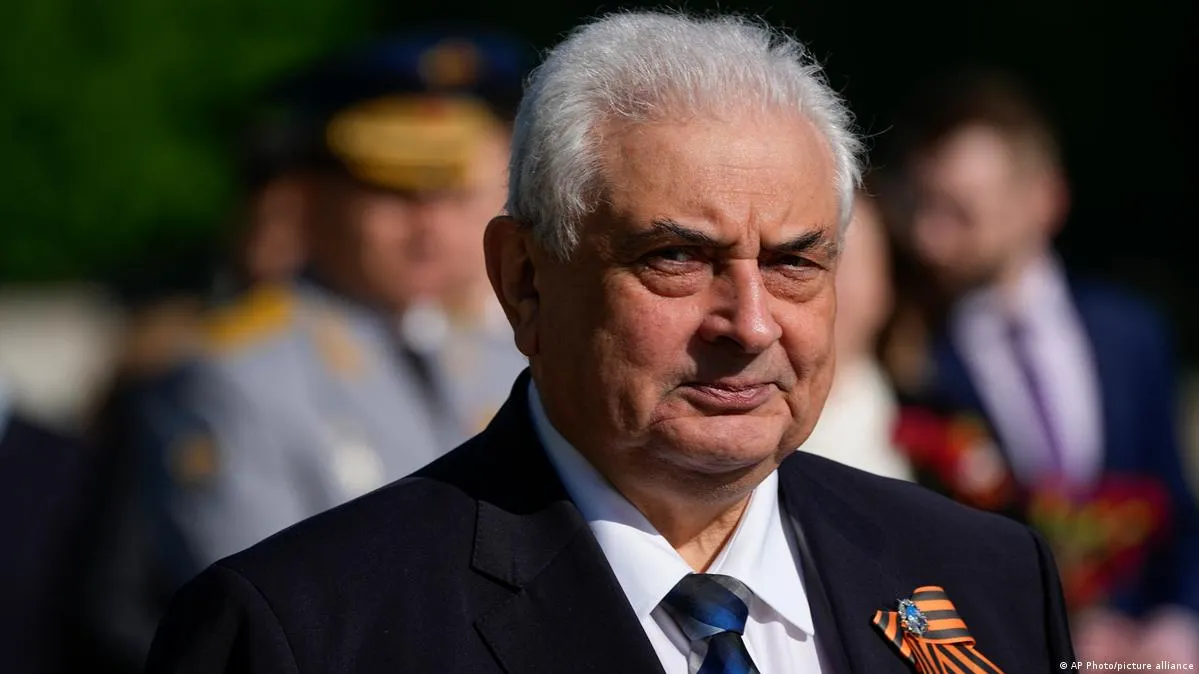
Why did Germany summon the Russian ambassador? The answer lies in direct threats made against German companies that support Ukraine. These threats are not just mere words; they aim to undermine Germany’s commitment to Ukraine during a critical time.
On April 20, 2026, the German Foreign Ministry took this significant step after the Russian Defense Ministry published a list of companies it considers potential targets. Among these were at least three German firms identified as suppliers of drones to Ukraine—an indication of how serious Russia views its adversaries.
Germany’s response was firm. The Foreign Ministry stated, “Our response is clear: we will not be intimidated. Such threats and all forms of espionage in Germany are completely unacceptable.” This statement reflects a broader commitment to European unity and solidarity with Ukraine.
But what led to this moment? Recently, Germany and Ukraine agreed on a strategic defense partnership, which includes cooperation in drone production. This collaboration has likely heightened tensions with Russia, prompting retaliatory threats aimed at disrupting this alliance.
The Russian Defense Ministry’s rhetoric further escalates the situation. Dmitry Medvedev referred to the listed companies as potential targets for the Russian armed forces. Such declarations serve as intimidation tactics directed at companies operating within Europe and signal a troubling shift in diplomatic relations.
In a similar vein, the Czech Ministry of Foreign Affairs also summoned the Russian ambassador over threats against European nations. This coordinated response highlights a growing concern among EU countries regarding Russia’s aggressive posturing.
Germany’s stance is clear: it will not back down. The German Foreign Ministry emphasized that these threats are an attempt to undermine their support for Ukraine and test their unity as a bloc.
What happens next? While Germany has taken a strong stand, uncertainties remain regarding how Russia will respond to this diplomatic rebuke. Details remain unconfirmed about any further actions or retaliations from Russia.
This situation exemplifies how geopolitical tensions can manifest through diplomatic channels, affecting not just national security but also international alliances. As events unfold, the focus will be on maintaining European solidarity against external pressures.
