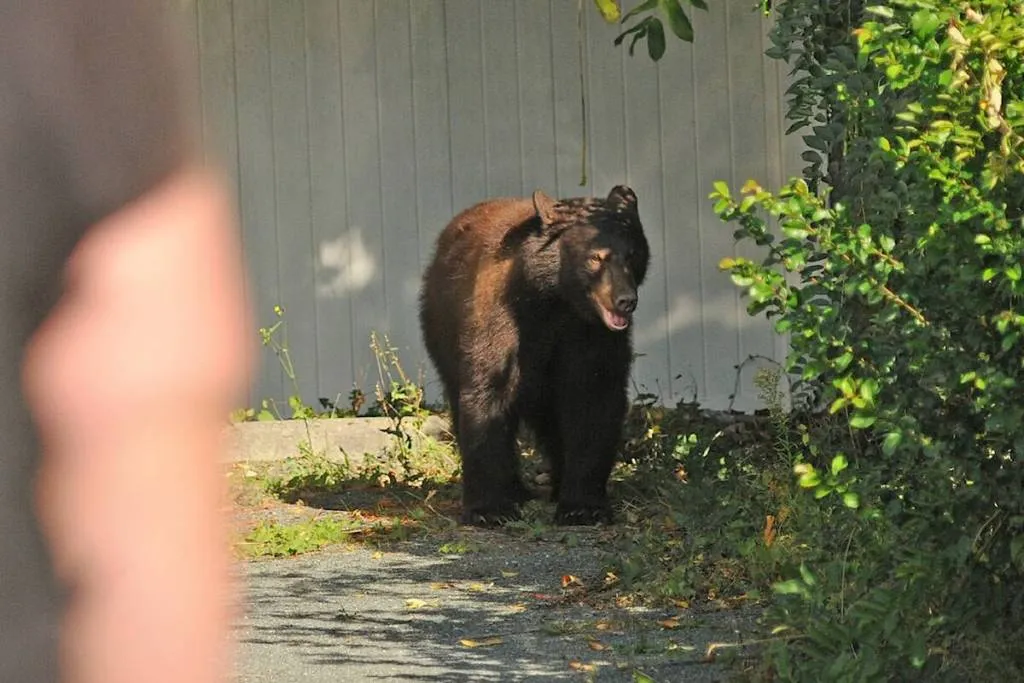
In an unusual call to action, residents of Prince George are being asked to collect bear feces for a wildlife research project. This initiative is not just about cleaning up after bears; it aims to provide insights into urban bear behavior and ecology.
Before this project began, understanding how bears interact with urban environments was largely speculative. Researchers had limited data on bear movement and habits in cities. The expectation was that bears would behave similarly in urban areas as they do in the wild, but evidence was scarce.
Now, however, the situation has changed dramatically. In its second year, the bear feces collection project allows residents to participate actively. They can photograph bear droppings and send the images directly to researchers. In the first year alone, more than 130 samples were submitted by local residents.
This direct involvement not only aids scientific understanding but also fosters community engagement. Vanessa Fetterly, one of the project’s coordinators, encourages participation by saying, “Pick it up just like you would dog poop.” It’s a simple yet effective way for residents to contribute to important wildlife research.
That context matters because it highlights a shift from passive observation to active participation in wildlife monitoring. While bears roam freely, their presence in urban areas raises concerns about safety and human-wildlife conflict.
In stark contrast, another recent incident in Chilliwack sheds light on the darker side of animal welfare. Four dogs and a cat were rescued from a feces-filled RV under conditions described as inhumane. The RV floor was covered in feces and urine-soaked garbage—a far cry from the community-driven efforts seen in Prince George.
When animal protection officers arrived at the scene, they could hear the animals whining inside. Matt Affleck, a spokesperson for the BC SPCA, noted that “the conditions for both animals and people were beyond troubling.” This incident serves as a reminder of the importance of responsible pet ownership and humane treatment of animals.
The rescued animals were taken to a BC SPCA animal center where they received necessary medical care—requiring deworming and antibiotics for various skin conditions. Thankfully, reports indicate that these animals have shown improvement after receiving proper care.
The juxtaposition between these two stories—community involvement in bear research versus neglect in Chilliwack—underscores varying attitudes towards animal welfare. As one manager at the animal center poignantly stated, “Heartbreakingly, all the animals were desperate for attention.”
As residents continue their efforts to collect bear feces until late October—when bears begin hibernation—the hope is that this initiative will lead to better understanding and coexistence with wildlife. Details remain unconfirmed regarding future expansions or additional projects related to this initiative.
