Introduction
The Piccadilly Line is one of the 11 lines of the London Underground and plays a vital role in the city’s transit network. Established in 1906, it serves as a major artery for both locals and tourists, connecting significant areas such as Heathrow Airport, Covent Garden, and the West End. Its importance cannot be understated, particularly in light of London’s ongoing efforts to enhance public transport accessibility and sustainability.
Route and Stations
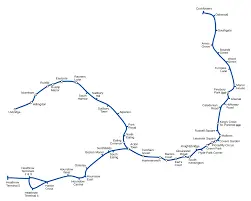
The Piccadilly Line spans approximately 71 kilometres and runs from the north to the west of London. Commencing at Cockfosters in the north, it travels through key stops including Leicester Square, King’s Cross St Pancras, and Piccadilly Circus, eventually reaching Heathrow Terminal 5. The line consists of 53 stations, making it one of the longest lines on the network.
Recent Developments
In recent months, Transport for London (TfL) has announced several upgrades and improvements to the Piccadilly Line. A major project is set to modernise the fleet of trains, ensuring that they are safer, more reliable, and environmentally friendly. By 2025, passengers can anticipate the introduction of new air-conditioned trains—an essential enhancement especially during the warmer months.
Furthermore, TfL has initiated station upgrades that will improve accessibility for disabled passengers. Recently completed works at stations such as Turnham Green and Manor House feature step-free access, which is crucial for individuals with mobility challenges.
Impact of the Piccadilly Line
The Piccadilly Line significantly contributes to London’s economy by facilitating easy commuting and tourism. It links multiple cultural and commercial hotspots, thereby attracting millions of visitors annually. The connection to Heathrow Airport is particularly noteworthy, as it allows tourists quick access to the city centre, thus supporting the hospitality and service industries.
Additionally, the line’s operations have been affected by the COVID-19 pandemic. While ridership declined during the peak of the crisis, it has seen a gradual recovery as restrictions ease and people return to work and leisure activities. TfL continues to monitor passenger numbers and adjust services accordingly.
Conclusion
The Piccadilly Line remains a cornerstone of London’s public transport infrastructure. Its ongoing developments reflect a commitment to improving passenger experiences and ensuring efficient travel for all users. As the city evolves, the Piccadilly Line is expected to play a vital role in accommodating the aspirations of Londoners and visitors alike. By investing in upgrades and expansions, TfL is not only enhancing the earnings potential of the city but also promoting sustainable travel options that will benefit future generations.
